Networked Finance Mechanism Event Reflections

by Sandrina Da Cruz, Solutions Director at NEAR


NEAR hosted an event on the sidelines of this year’s United Nations General Assembly (UNGA) entitled, “Financing Global South Futures.” The discussion focused on NEAR’s recommendation of a Networked Financing Mechanism (NFM) – what if locally led Global South financing mechanisms were interconnected and optimized to learn from and strengthen each other and collectively garner increased resources for community-identified priorities?

This was my first time attending UNGA. And what an incredible debut – the air was filled with tensions – grasping to reasons to remain hopeful, calling for urgent action, suppressing disillusionment, and creating space for actionable, bold visions. NEAR was ready! After all, one of our values is to be a disruptor, “We are fundamentally changing the aid sector. We spark new conversations, bringing creative problem solving to shift power in an outdated system, paving the way for what comes next.”

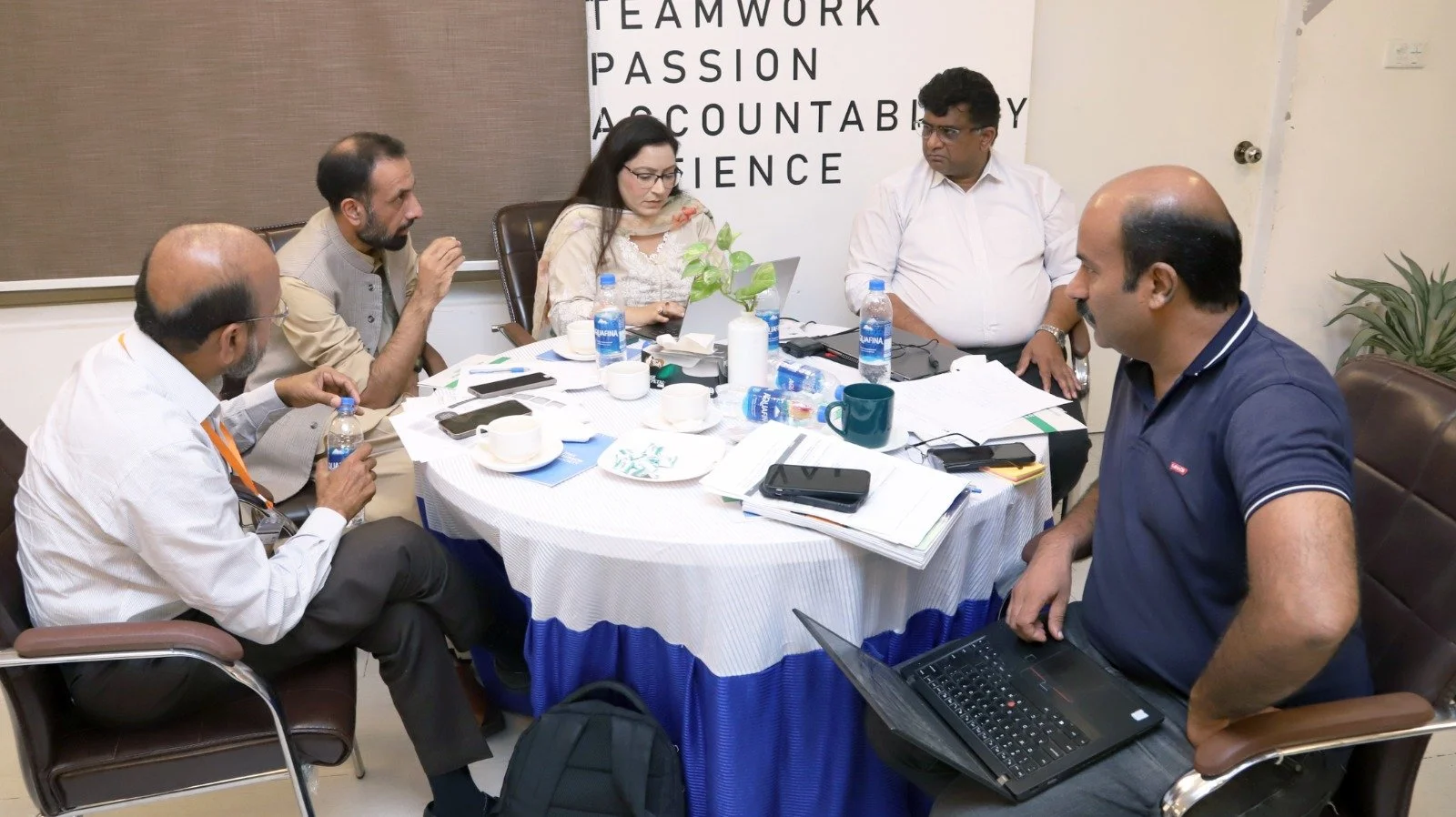
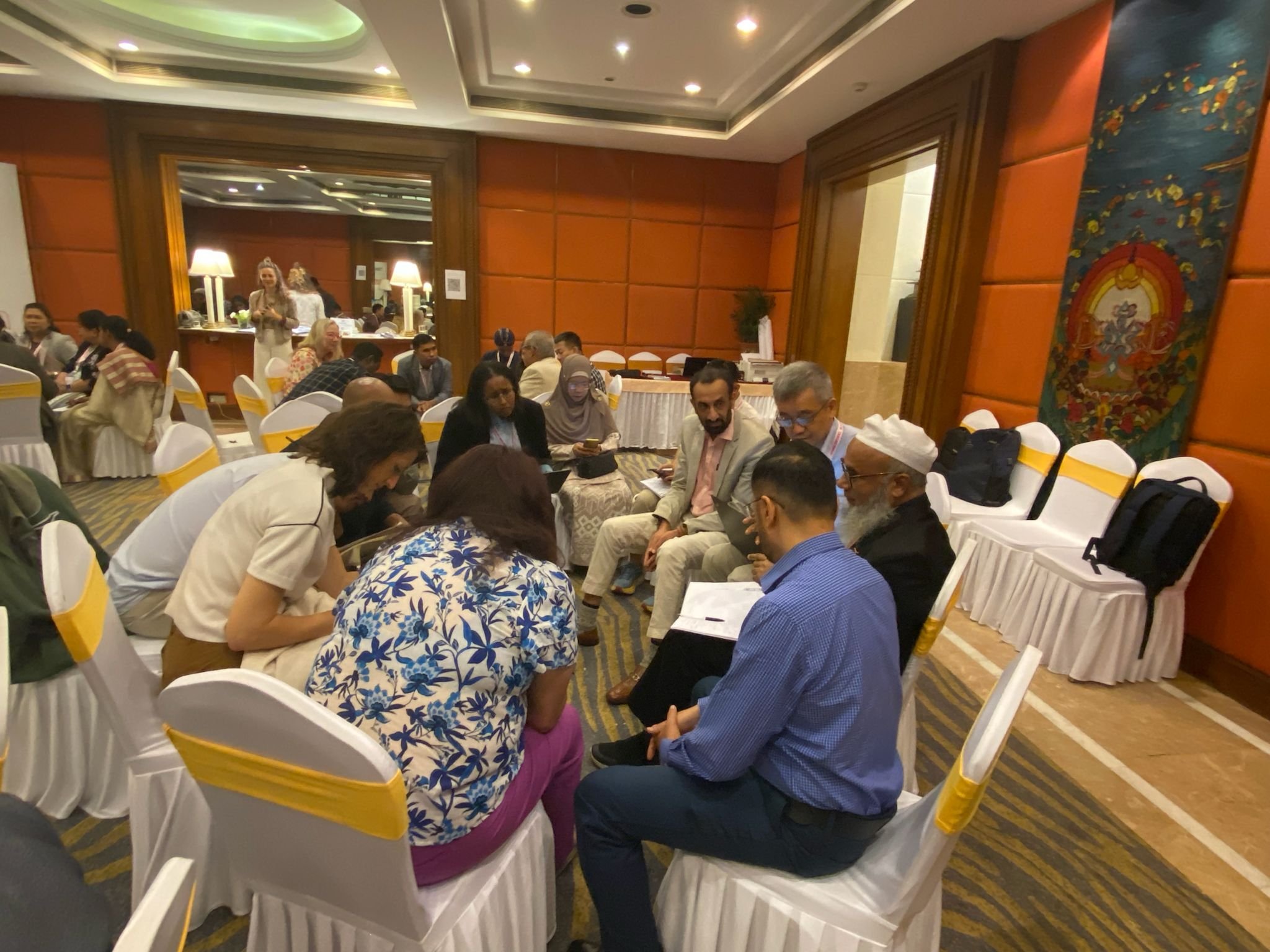
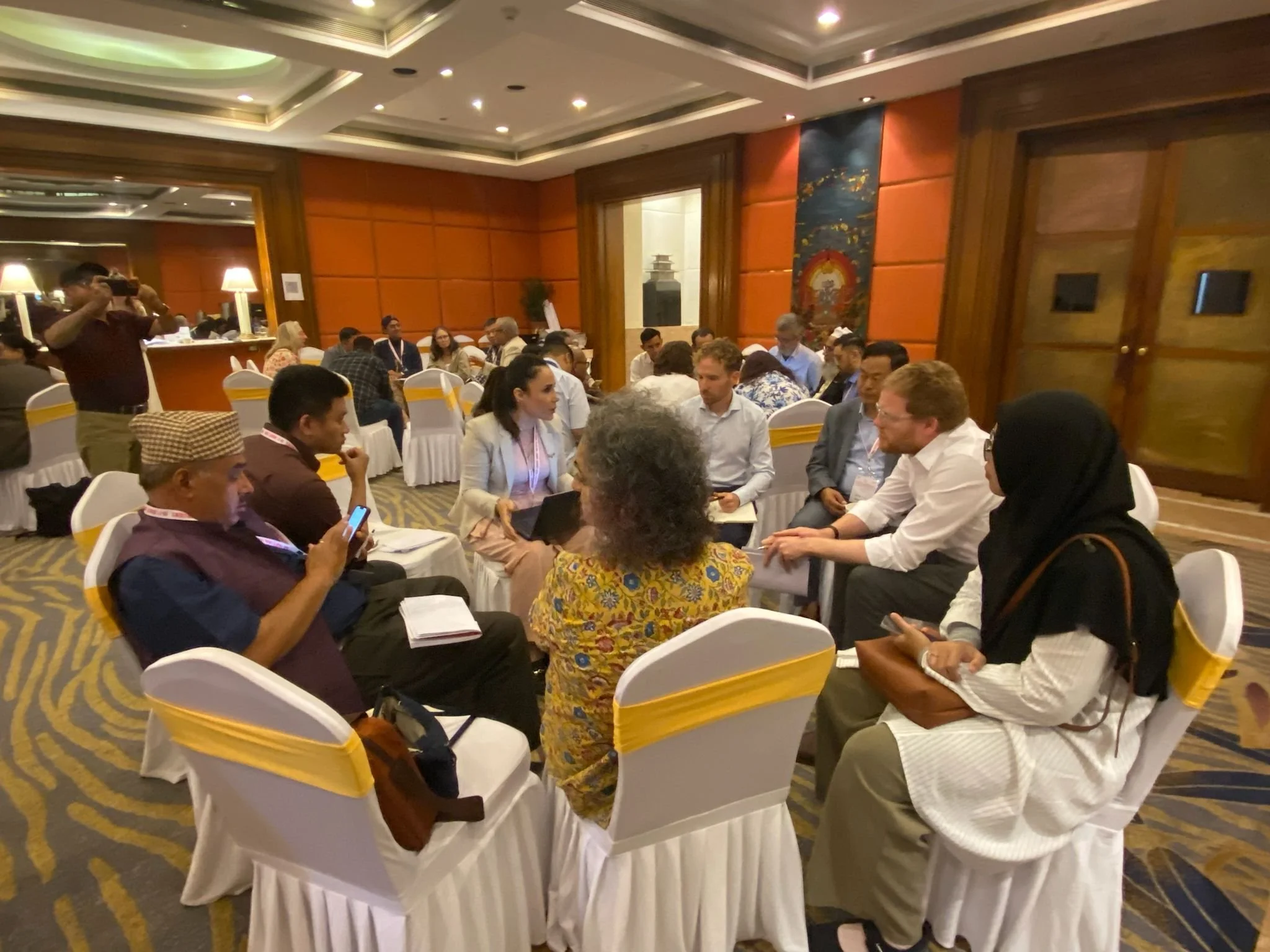
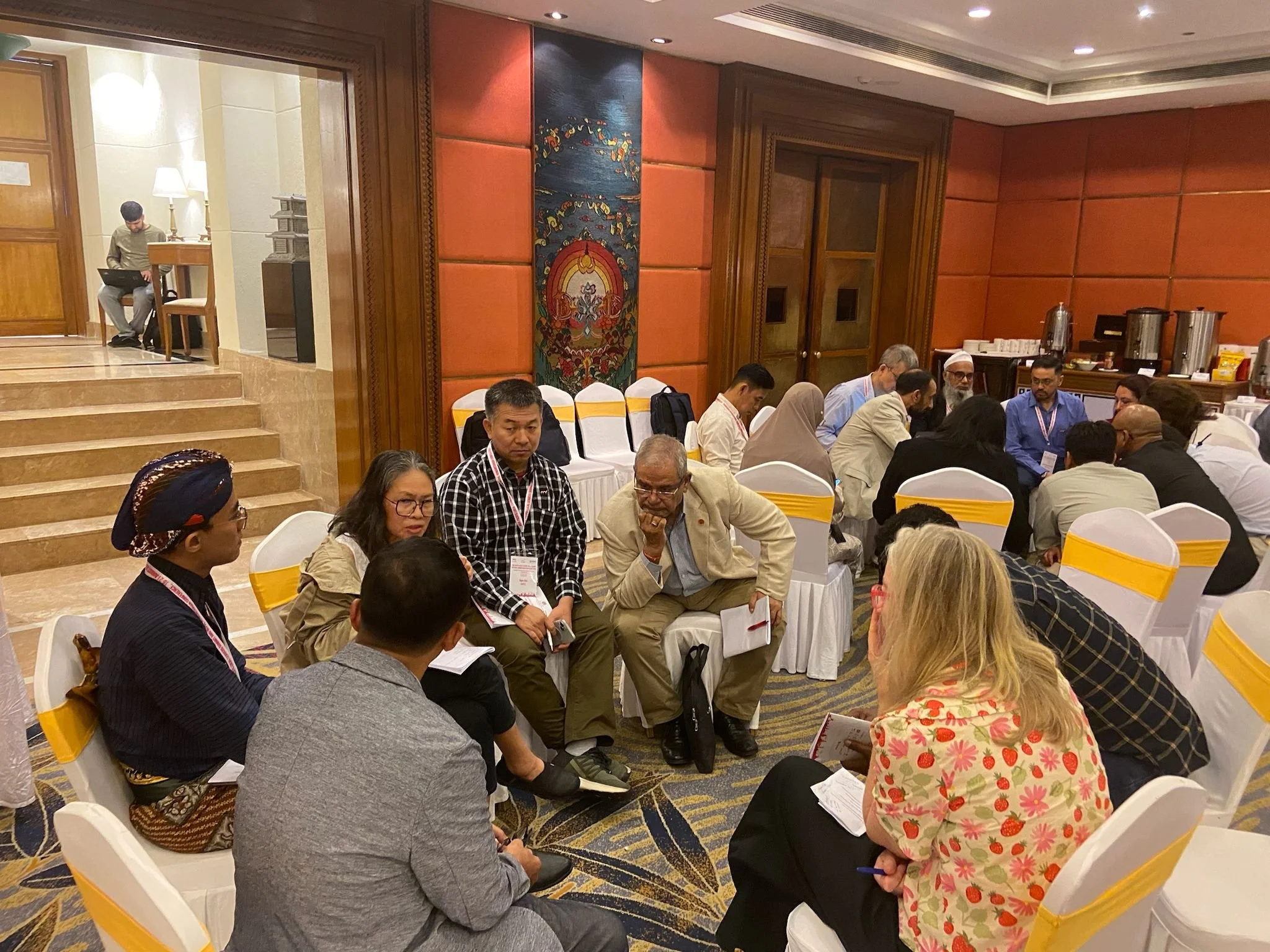
Imagine an intimate gathering of leaders from across the philanthropic, local and international NGO and bilateral domains. No panels or formal presentations. The 20 guests arrived in time to quickly eat breakfast, hug old friends and meet new colleagues. And then we got to work. This was an action-oriented conversation to pressure test a networked financing concept anchored in collaboration and learning, that centres local leaders, challenges western-centric models, and decentralises decision-making.

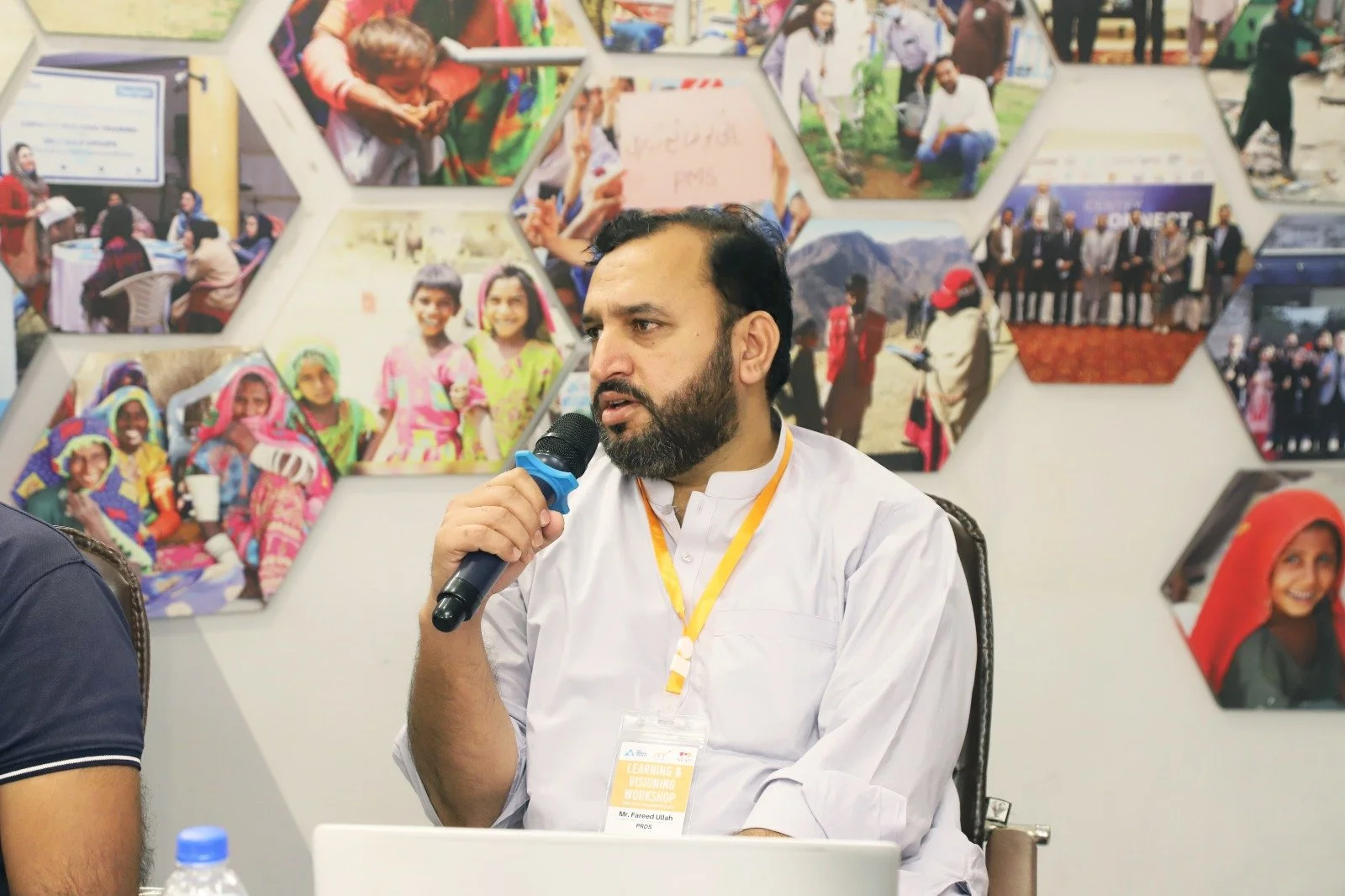
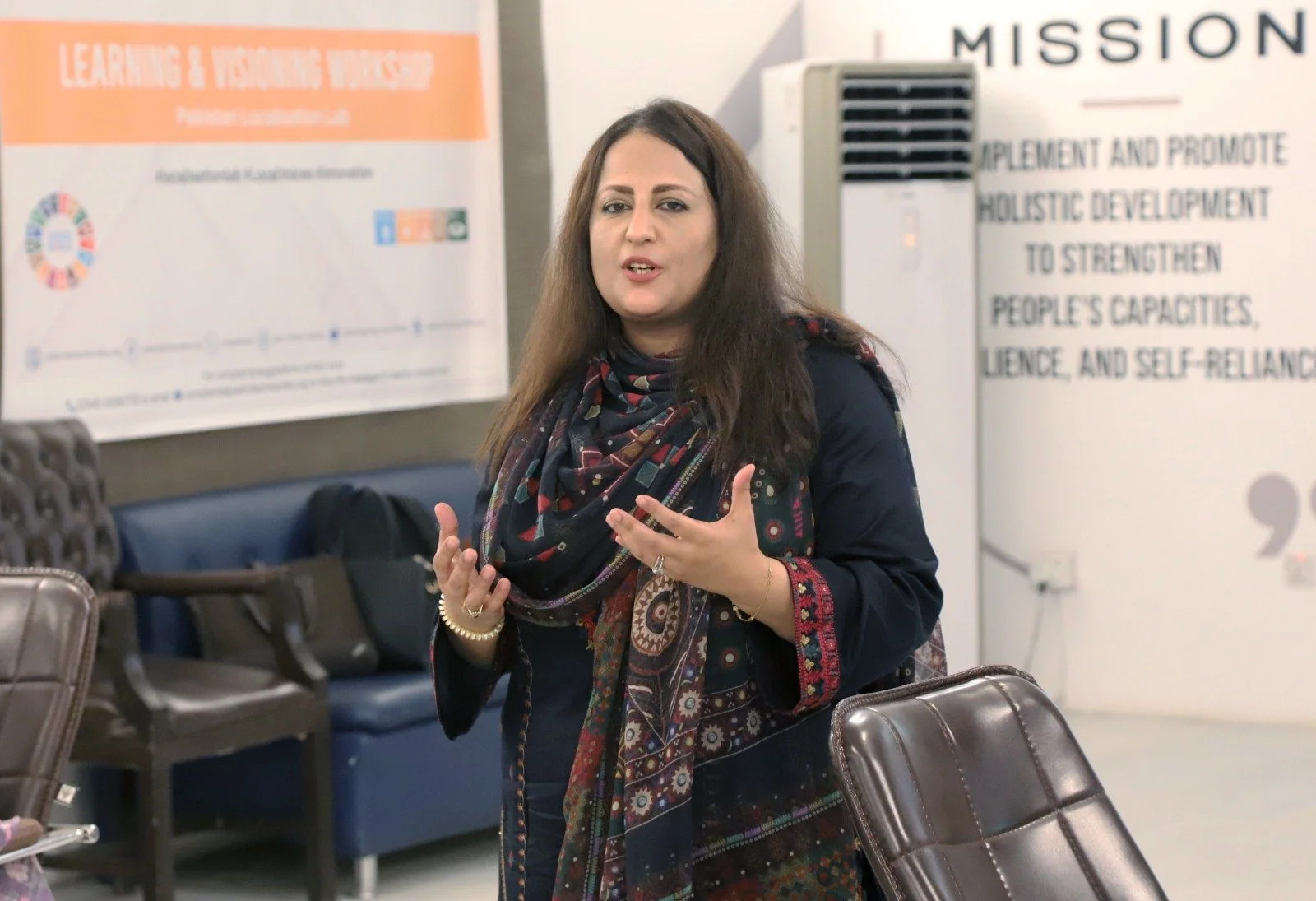
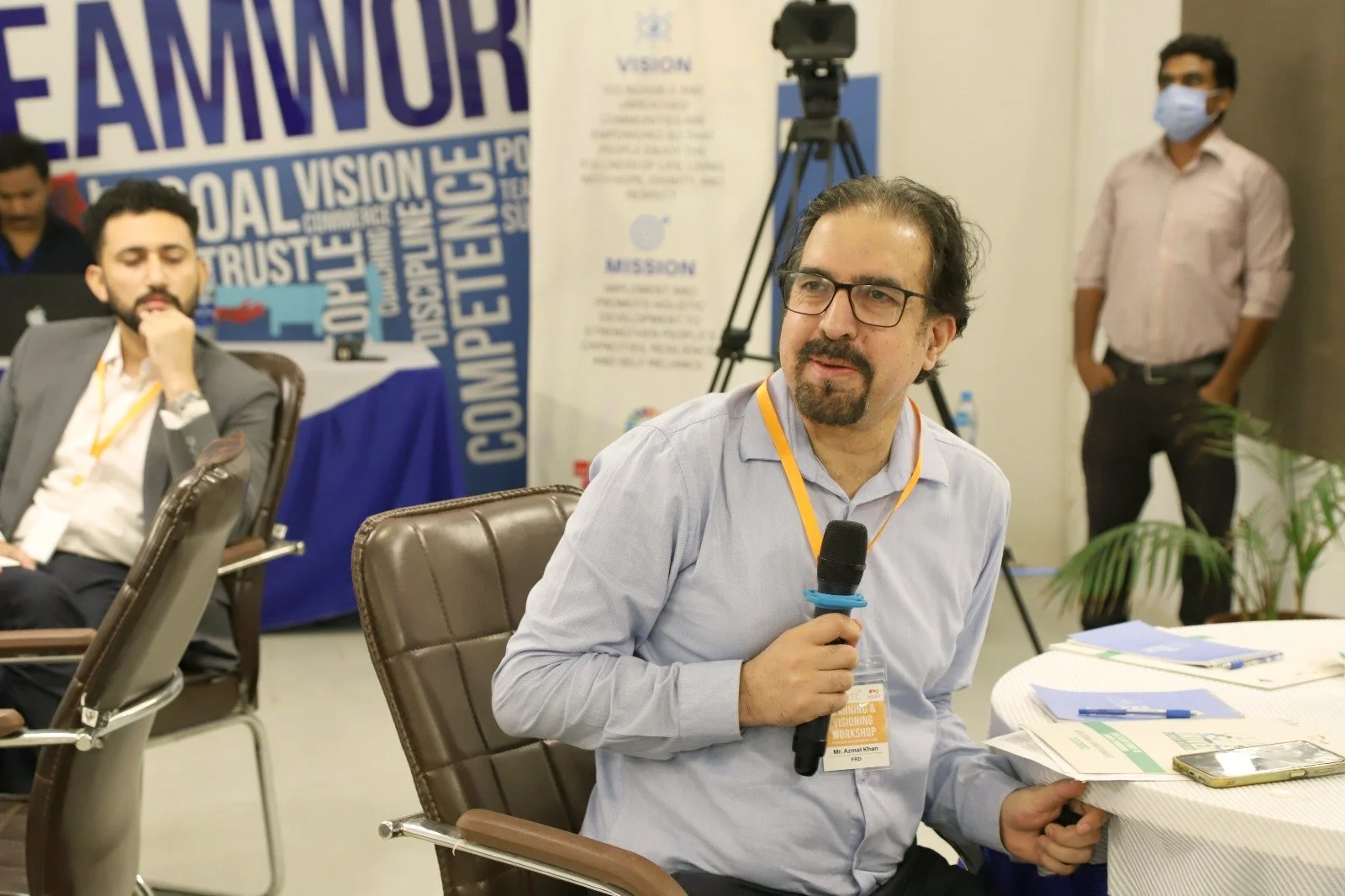
PHOTOS taken at the NFM Breakfast meeting on sidelines of UNGA 2025.

All participants had received a draft concept note containing the thinking behind and the objectives of the Networked Financing Mechanism “NFM”. NEAR was clear that this was an invitation to co-design with us: to offer constructive critique, observations and ideas. Most of our time together was dedicated to taking turns reflecting, sharing ideas, asking questions, and building on each other’s insights through the following questions:

  • What’s exciting and holds protentional about the NFM concept?

  • What doubts do you have? What are the biggest risks in pursuing a model like this?

  • What would you need to know/see to build trust and include the NFM into your own strategies?

  • What’s unclear?

PHOTOS taken at the NFM Breakfast meeting on sidelines of UNGA 2025.

Participants were excited that NEAR started the conversation with the principles of the NFM – equity, transparency, local ownership, accountability, flexibility, and sustainability. They asked questions about how to design a decentralized, Global South-led governance model – one that does not replicate the failures of the current system. One person mentioned that risk sharing “is the nut we have to crack”. We were cautioned against only pursuing the reallocation of institutional funding and to consider alternate partnerships and financing. We were encouraged to swiftly move towards action, design and test prototypes at scale. We heard from multiple guest that they wished we had more time to discuss and design together which we’re taking as a positive sign!

We’re grateful for the inspiring visions and constructive feedback shared by these co-designers which will shape the design of the networked financing mechanism. NEAR will be hosting additional pressure testing events and publishing a paper on this topic in the coming weeks which will be shared with all members.

A colleague who recently joined the NEAR secretariat and is an “UNGA veteran” reflected that she had not experienced an UNGA gathering that created such a trusted space for open, candid and constructive dialogue. I hope this experience empowers us to engage in local, national and international gatherings as our authentic selves. Authenticity builds trust, trust strengthens partnerships, and together we’re constructing a new imagination of what’s possible for the emerging system.

NEAR MEMBERS: Please reach out to the Regional Representative for your area with your ideas and recommendations and if you want to be involved in this initiative.

PHOTO of Loreine Dela Cruz speaking at the NFM Breakfast meeting on sidelines of UNGA 2025.

NEAR at UNGA 2025

NEAR at UNGA 2025

by Anita Kattakuzhy, Director of Policy at NEAR


New York in September is always a whirlwind. Convoys, barricades, the crush of institutional bureaucracy – and alongside it, a thousand parallel gatherings where civil society, foundations, and governments all try to capture some of the attention swirling around the UN. UNGA is crowded and chaotic, but it is also a chance to test ideas, meet allies, and take the temperature of the system.

This year, what stood out was the gap between the language of reform and the practice of it. In the High-Level events focused on humanitarian action, the rhetoric was ambitious: solidarity, local leadership, even a shift from speaking of a “humanitarian community” to a “humanitarian movement.” Yet the panels were dominated by UN and INGO leaders, and the proposals leaned heavily on UN-led coordination and pooled funds. Progress in words, perhaps, but the reality of who holds the mic and practice – on a wide scale – has not shifted.

UN80 conversations were no clearer. Lofty talk of inclusion, stability, efficiency floated around, but again and again attention circled back to succession politics. With Guterres due to leave in 2026, the question of who comes next has already become the gravitational pull of reform. The risk is obvious: reform recentralised in New York, tied to personalities rather than structural change. Yet there is also opportunity: political attention is high, and that creates openings for more ambitious alternatives to break through.

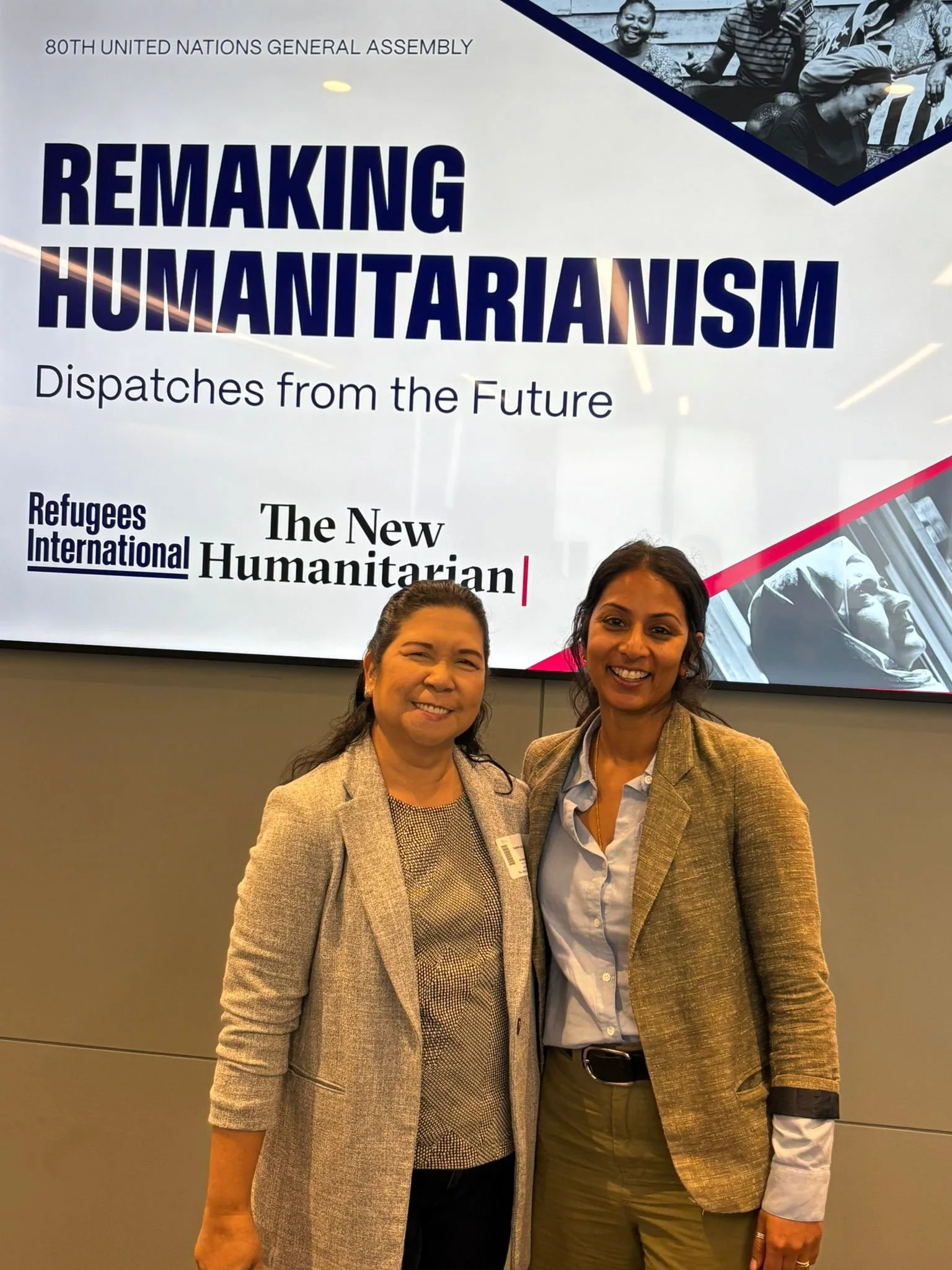
PHOTO CAPTION: Loreine Dela Cruz and Anita Kattakuzhy at UNGA

Against this backdrop, NEAR came to New York with a different energy. We didn’t chase headlines, we positioned ideas. We tested bold concepts with funders and allies, we co-hosted conversations on power and responsibility, and we brought Global South leadership into the conversation.

At The New Humanitarian and Refugees International panel and CALP’s “Direct by Default” cash event, NEAR Delegate Loreine Dela Cruz insisted that local civil society leaders are not case studies but agenda-setters, shaping the system rather than being shaped by it.


And throughout the week, a new phrase floated into donor conversations: “donor reset.” Still undefined, still contested - but an opportunity for NEAR, nonetheless. If it is to mean anything, we must ensure it signals genuine change: co-governed finance that shifts both resources and risk, able to strengthen, not undermine, local leadership (like the NFM!).

For NEAR, this UNGA was a reminder of why we show up. To push past rhetoric and demonstrate that distributed leadership – locally governed models – are not only possible, but urgent. To remind system leaders that solidarity is not a slogan but a practice. And to ensure that as the aid system debates its future, the Global South is not spoken for, but speaks for itself.

Strategic Workshop for Pakistan Localization Lab (PLL) in the NEAR Network

by Sumera Javeed, Co-Convener of Pakistan Localization Lab


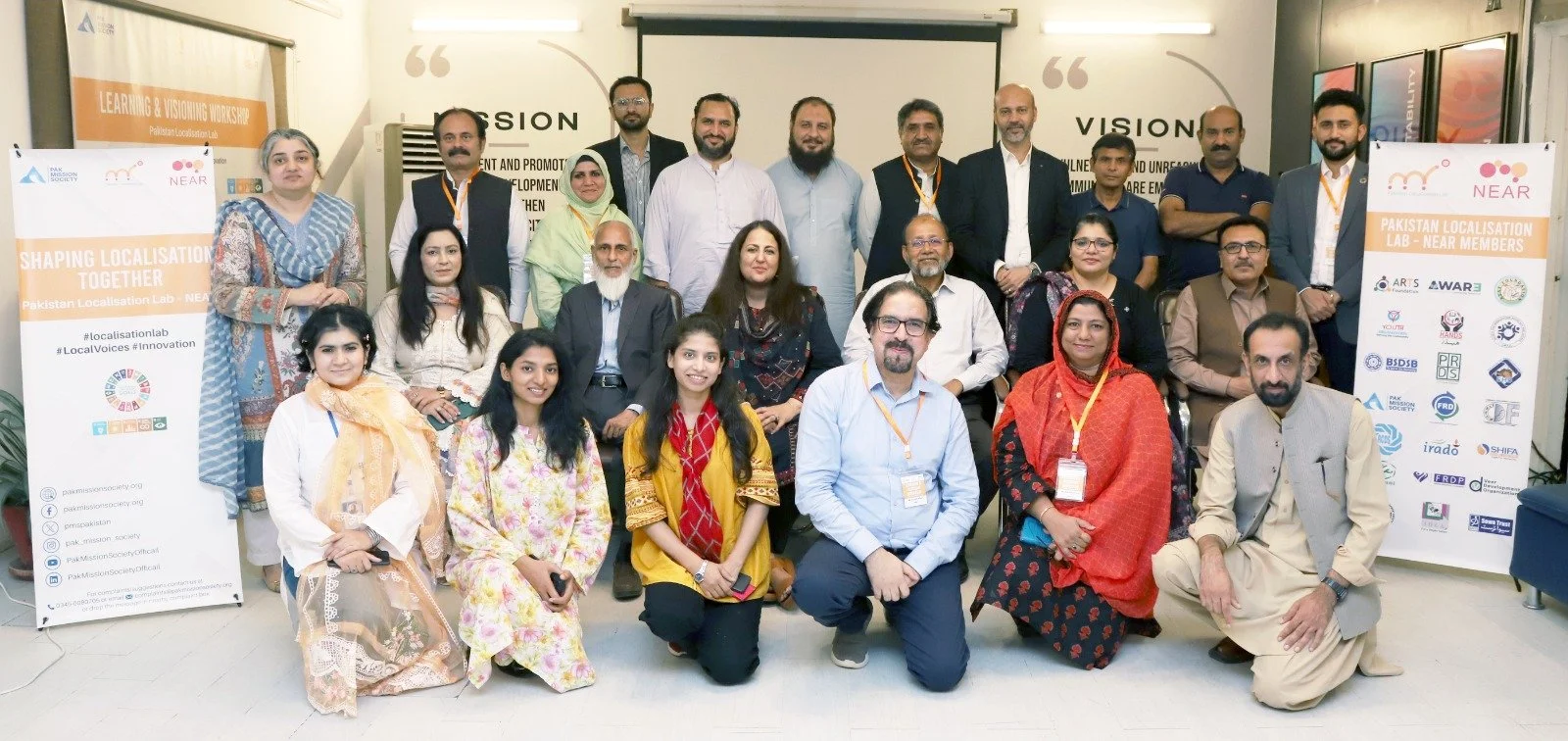
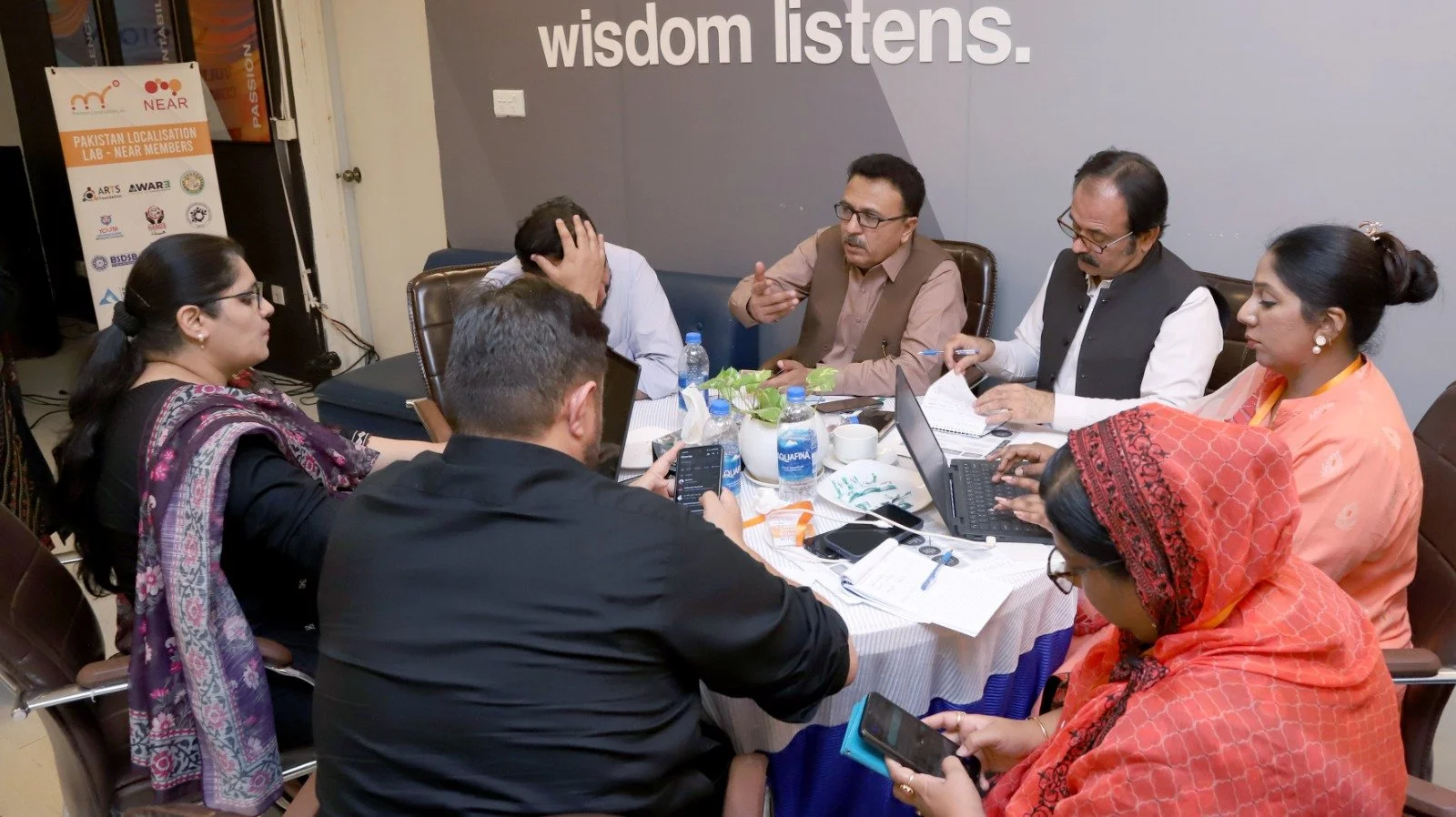
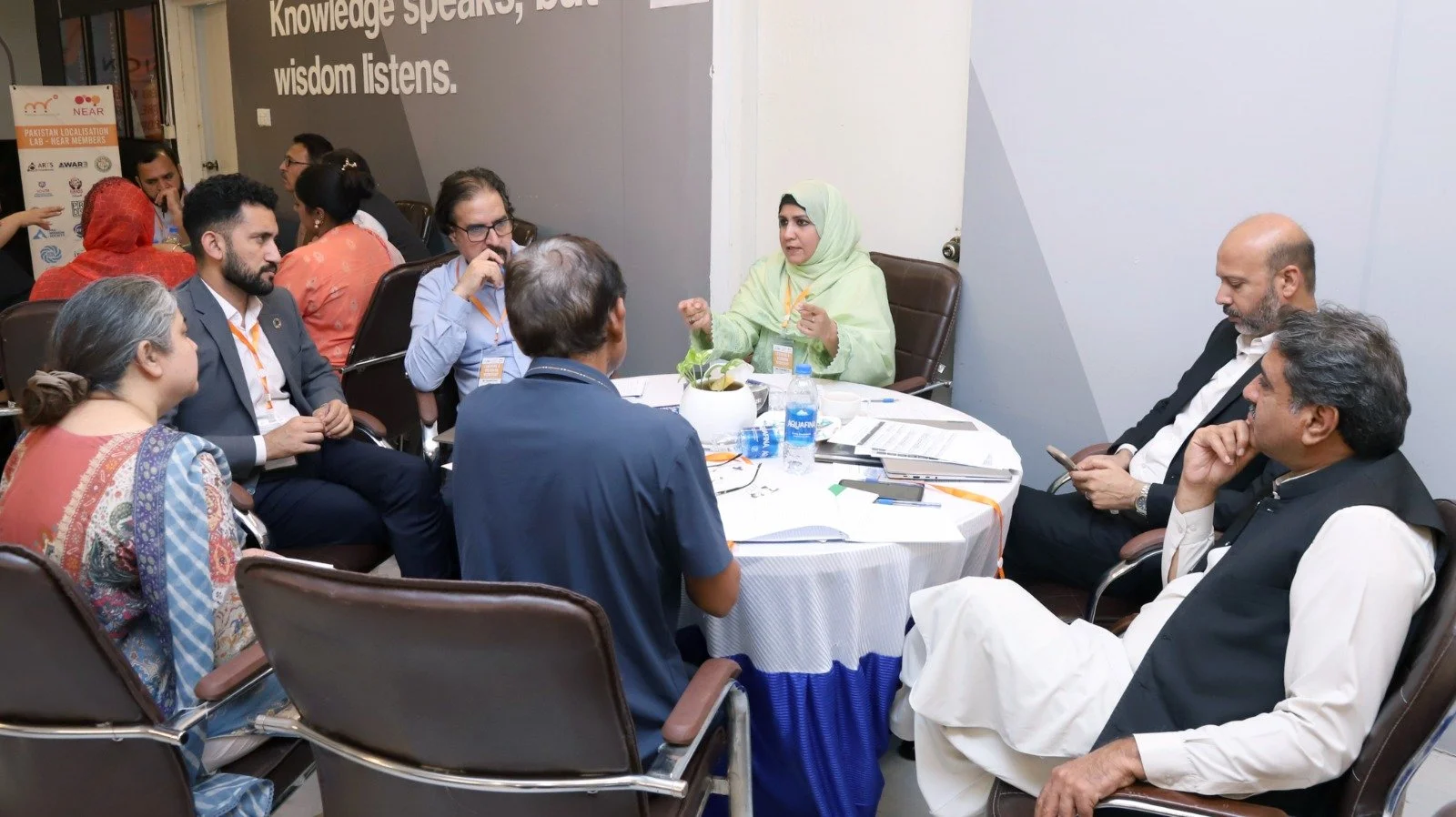
The Pakistan Localization Lab (PLL), under the NEAR Network, recently convened a workshop on September 22, 2025, at Pak Mission Society (PMS)’s Office in Islamabad. The workshop focused on strengthening the strategic priorities and three year roadmap of PLL.

PLL has 21 member organizations from different provinces and geographies across Pakistan and a partnership with National Humanitarian Network (NHN). This engagement highlighted the collective commitment of PLL members to co-create an agenda for scaling up the Lab as a hub for innovation, policy influence, peer-to-peer learning and collective action in Pakistan’s humanitarian and development landscape. 

A major milestone celebrated during the workshop was the contextualization of the Localization Performance Measurement Framework (LPMF) by PLL members, which has now been successfully piloted. The LPMF of NEAR was contextualized for Pakistan to make it relevant and practical to the country’s humanitarian and development realities. Pakistan’s diverse ecosystem of local NGOs, INGOs, UN agencies, and government structures required adaptation to align with national disaster management systems and coordination mechanisms. More indicators were added to capture local actors’ contributions, funding barriers, and partnerships aspects. This achievement reflects the shared vision of ensuring accountability and evidence-based progress towards localization goals. 

In addition, PLL completed a capacity mapping exercise of its member organizations, demonstrating a strong presence across 150 of 170 districts of Pakistan. Collectively, PLL members reached 21.2 million community members with a cumulative program budget of PKR 17.9 billion (~USD$63 million) 

The journey of PLL has been marked by important milestones, including its official launch in late 2024 and engagements with UN agencies, INGOs, and donor partners laying the groundwork for more equitable partnerships and trust-building between local actors and international counterparts. 

PLL members are not only rooted in local communities but also actively engaged in global and national alliances, partnerships, and networks, ensuring their voice is part of broader movements shaping humanitarian and development agendas.  


As part of its ongoing journey, PLL is committed to movement building for localization shaping a stronger, more united, and influential voice that places local actors at the center of humanitarian and development efforts. PLL member organizations possess strong technical capacities, and it was highlighted that in the coming months a series of webinars will be planned and delivered on diverse topics, including sustainability, accountability to communities and the legal dimensions of both profit and not-for-profit organizations.  

We are also pleased to share an article: 
Localization in Action: Building a Future Where Aid is Local – A Perspective from the Pakistan Localization Lab, https://reliefweb.int/report/occupied-palestinian-territory/localization-action-building-future-where-aid-local-perspective-pakistan-localization-lab which reflects on PLL’s vision, learnings, and contributions towards advancing a truly localized aid system. 

Together, PLL and NEAR Network reaffirm their dedication to reimagining aid, ensuring that local voices lead, global partnerships support, and communities thrive. 

Reflections from the Asia-Pacific Local Leaders Summit in Nepal

by Sandrina da Cruz, Solutions Director at NEAR

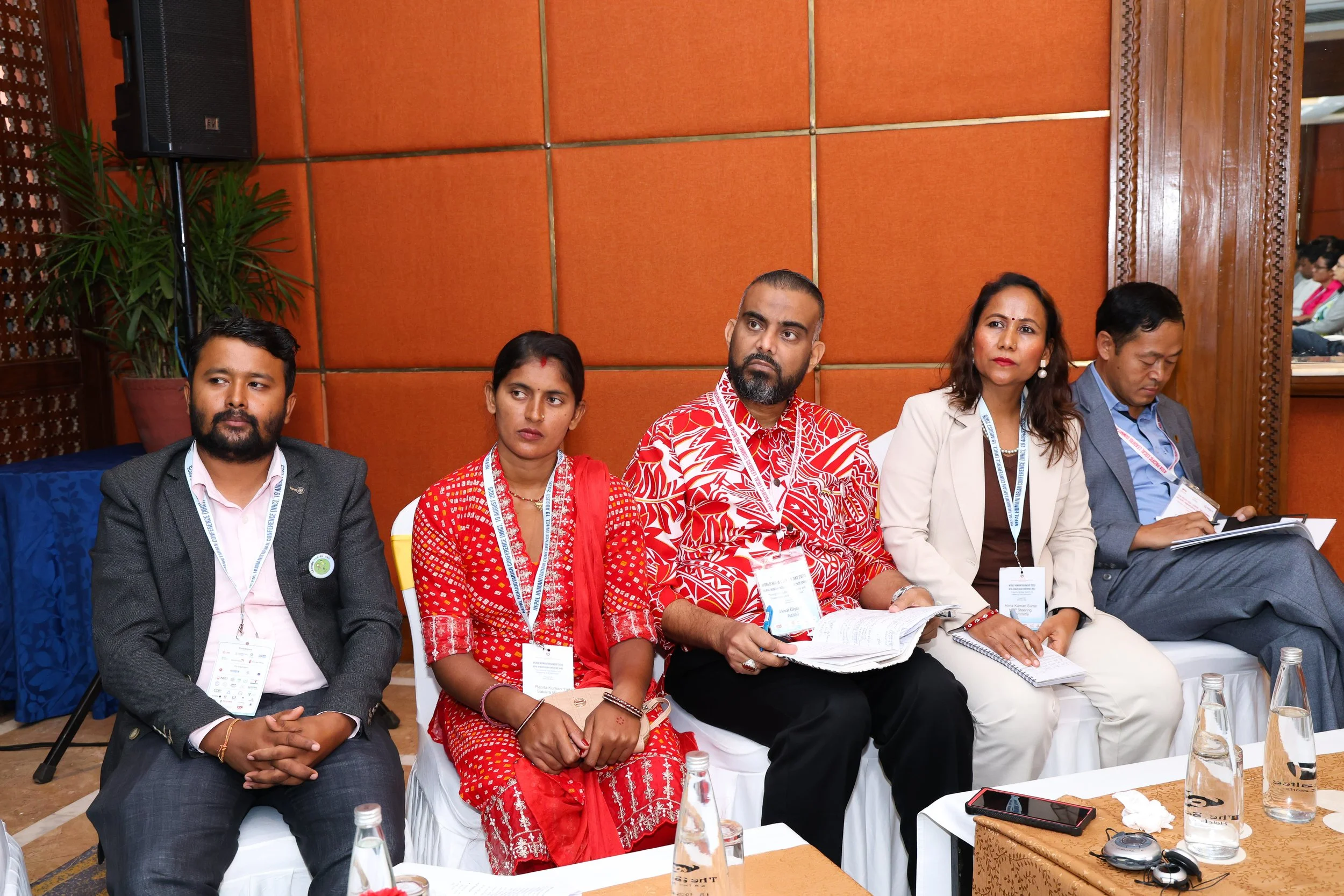
Asia-Pacific Local Leaders Summit: Second Day


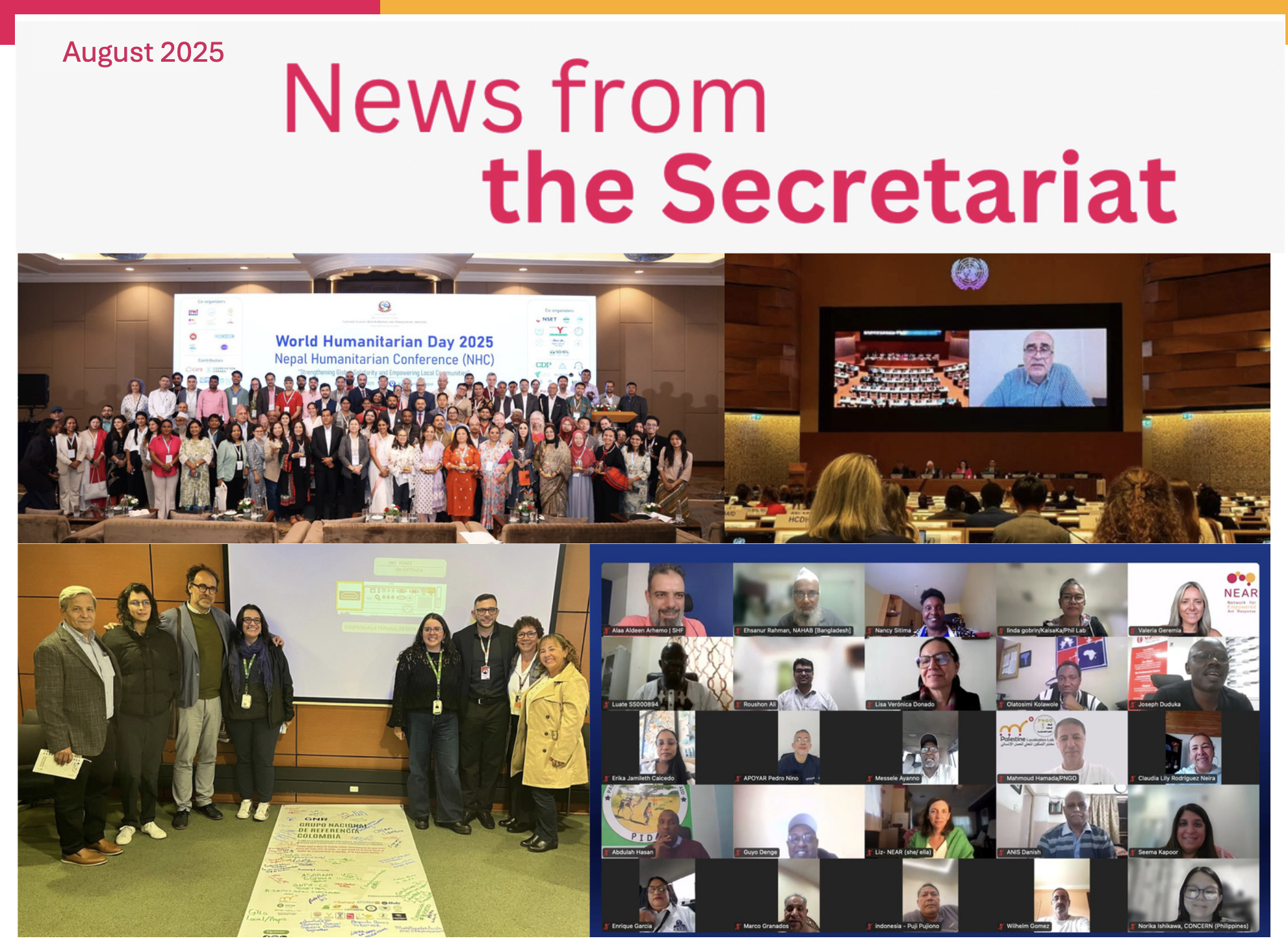
This year’s NEAR Asia-Pacific Local Leaders Summit was a testament of the strength that is harnessed from adversity. What follows is an attempt to summarise the powerful gathering of the NEAR Asia-Pacific Localisation Lab and friends from across the region – civil society and government leaders – in August in Kathmandu. 


“We have been with the community. We are with the community. We will be with the community.” Rabeya Begum 

We kicked off the Summit with time for connection and a warm welcome by our hosts - Surya Shrestha and his NSET team. The Asia-Pacific Localisation Lab (APLL) is represented by leaders from Afghanistan, Bangladesh, Cambodia, Fiji, Indonesia, Myanmar, Nepal, Pakistan, Philippines, Sri Lanka. We proceeded with a set of grounding updates about how the NEAR Asia Pacific Localisation Lab has advanced in the past year across the 4 workstreams: Learning, Solutions, Influencing and Movement Building. The trusting, collaborative relationships these leaders have nurtured over the years are palpable. 


We dedicated the afternoon to weaving our collective story through insights from the extensive NEAR localisation research and learnings from the Future Series through which Global South leaders imagine a future of solidarity, self-sufficiency, and sustainability. And while on the journey to radically imagine a future designed by, for and with local communities, a colleague from the Philippines reminded us to think critically about “what price are we willing to pay for those visions of futures”. 


“We need to continue to dream and dream big.” Loreine Dela Cruz 

The second day was themed a Solutions Festival – celebrating the multitude of grassroots-led initiatives and locally led solutions! Nearly 200 people from across the region including members of civil society, government, funders, and the private sector participated in a day packed with inspiring storytelling and informative sessions. Among the special guests, we were joined by the Hon’ble Ramesh Lekhak, Nepal Minister of Home Affairs, and Hanaa Singer-Hamdy. The morning was anchored in equitable partnerships, strengthening and building on the capacity of leaders across sectors, exploring the role of local government, and positioning international support as a measure of last resort. 


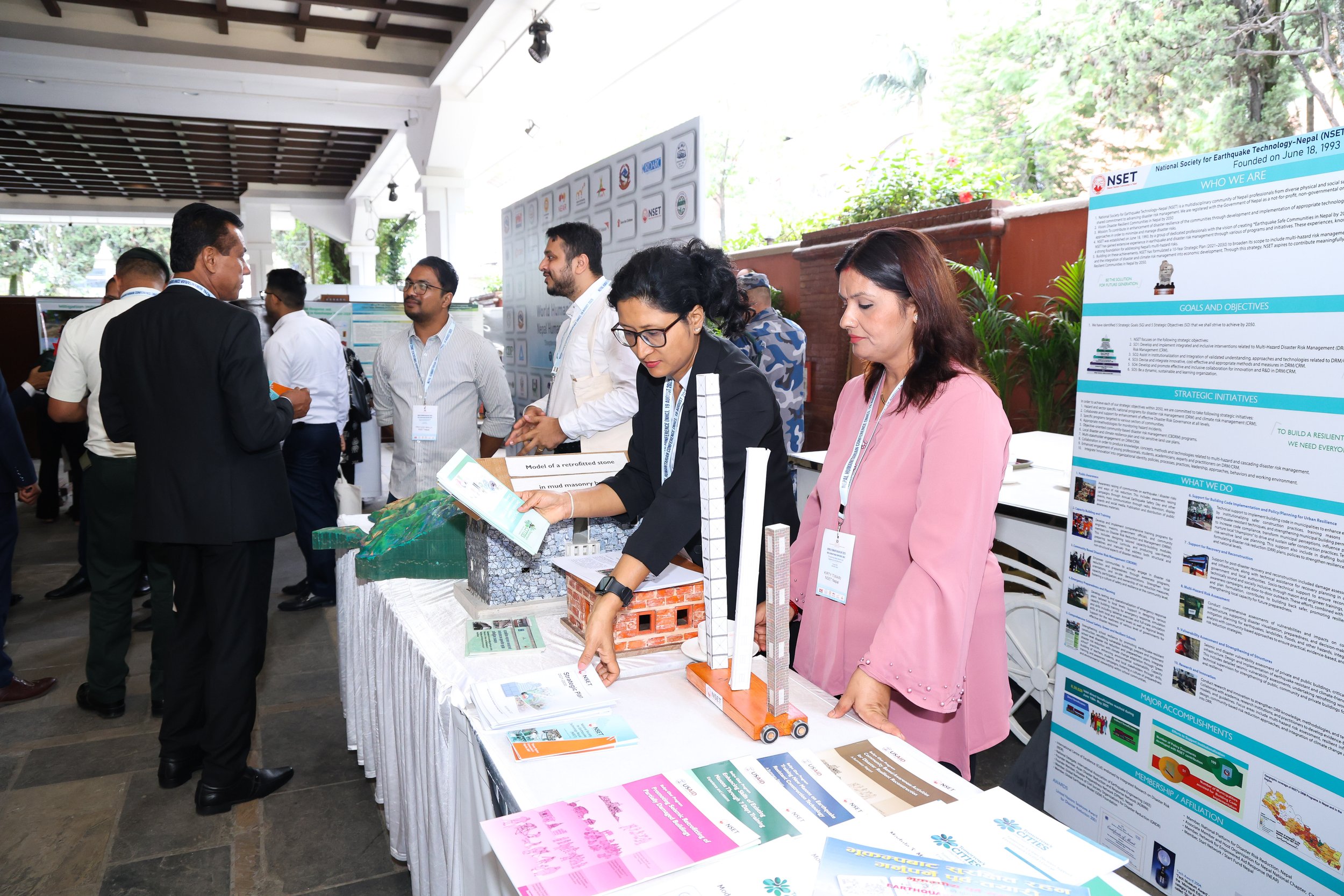
Solutions Gallery Walk

We learned through storytelling as local leaders showcased the community impact of locally designed and led solutions. An effective initiative to measure the extensive local resources and contributions in Bangladesh is shaking the traditional mindset that donor funding is the only contribution to projects. In Fiji, local leaders are working with funders to challenge the aid dependency model and designing interventions that build on the communities’ strengths to create sustainable livelihoods. A gallery walk provided the opportunity to learn about dozens of solutions hailing from across the Asia Pacific region. 


The day concluded with celebrating the culture of Nepal and the diversity of the region as local leaders dressed up in ornate and colourful national outfits to honour World Humanitarian Day and the 2015 Gorkha-Kathmandu Earthquake and announce the launch of the AASHA Fund and Nepal Localisation Lab.  [See Press Release for more information on these launches, plus the Kathmandu Covenant here.]


“The APLL it’s about creating transformation. Reclaiming the power we always had.” Akmal Ellyas 

On day three, we gathered with funders, INGOs and other stakeholders and engaged in candid, fishbowl-style conversations and small group discussions. We pressure-tested pitches about various locally led initiatives. Participants also took turns externalising the disruptions they’re experiencing and observing in their organisations and the sector overall, sharing the reactive and proactive approaches they’re exploring and the coping mechanisms already taking shape. Resilience was a theme echoed throughout – communities are showing up for each other and we don’t have time to lament what once was.  


Funders and other friends of the APLL practiced active listening and provided critical feedback about various initiatives, including the Philippines Localisation Lab, the Indonesia Humanitarian Coordination Platform, the AASHA Fund and Core Fund Nepal, the Afghanistan Localisation Lab, and the FALE local leadership model in Fiji. We dissected the evolving role of INGOs, exploring themes of power, partnerships, and resources. The day’s sessions created space to humanise our colleagues across the aid ecosystem which we often easily reduce to as acronyms and sector terminology. 


“We have our own identity. This is our safe space.” Sumera Javeed 

Nurtured, invigorated and buzzing from the connections and conversations from the prior days, we concluded the Summit with gratitude, surfacing new insights and concretely outlining next steps. Members of each of the Asia Pacific Localisation Lab Workstreams met to map out the road ahead.  


The Summit culminated with a visit to Bhaktapur Durbar Square – a beautiful, historic, UNESCO heritage site that’s been affected by earthquakes, most recently in 2015. The spirits soared and the smiles shone bright against the grey and rainy Nepali afternoon. 


NEAR’s Newsletter - August 2025

Dear Members, Partners, Friends and Colleagues of NEAR,

In the following newsletter updates (and the day-to-day lives of our members and partners across the Global South) – we have some powerful reminders that our movement is one of action, not rhetoric.

We witnessed this just last week at the Asia-Pacific Local Leaders (APLL) Summit in Kathmandu, Nepal. Bound together by locality, but grounded in radical principles of South-to-South cooperation as their way forward, the APLL have written a pact – the Kathmandu Covenant – asserting themselves as the primary

stakeholders of humanitarian, development and peace building in the Asia-Pacific Region. They also established the AASHA Fund – a regionally governed, community-led and people-centred pooled fund in the Asia-Pacific Region; and have jointly written their story.

We are happy to help share their story, as well as updates from the other regions.

In solidarity,

Hibak Kalfan

Locally managed funds: Rethinking humanitarian financing

As originally published here.

By Muhammad Amad

Muhammad Amad is member of the Central Executive Council of the National Humanitarian Network from Pakistan. As an independent and vibrant network of national and local NGOs in Pakistan, NHN is committed to promoting humanitarian values through advocacy and capacity building.

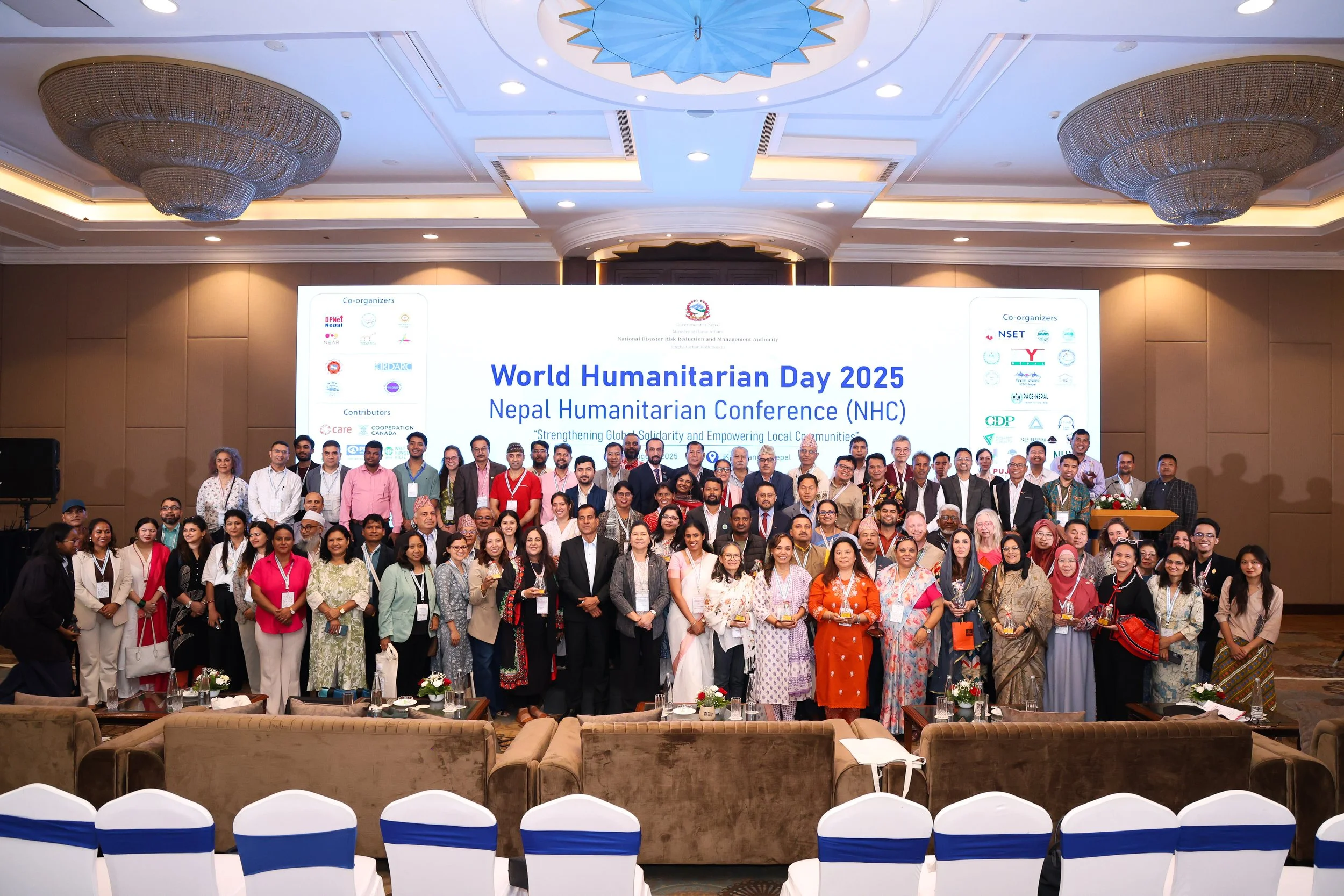
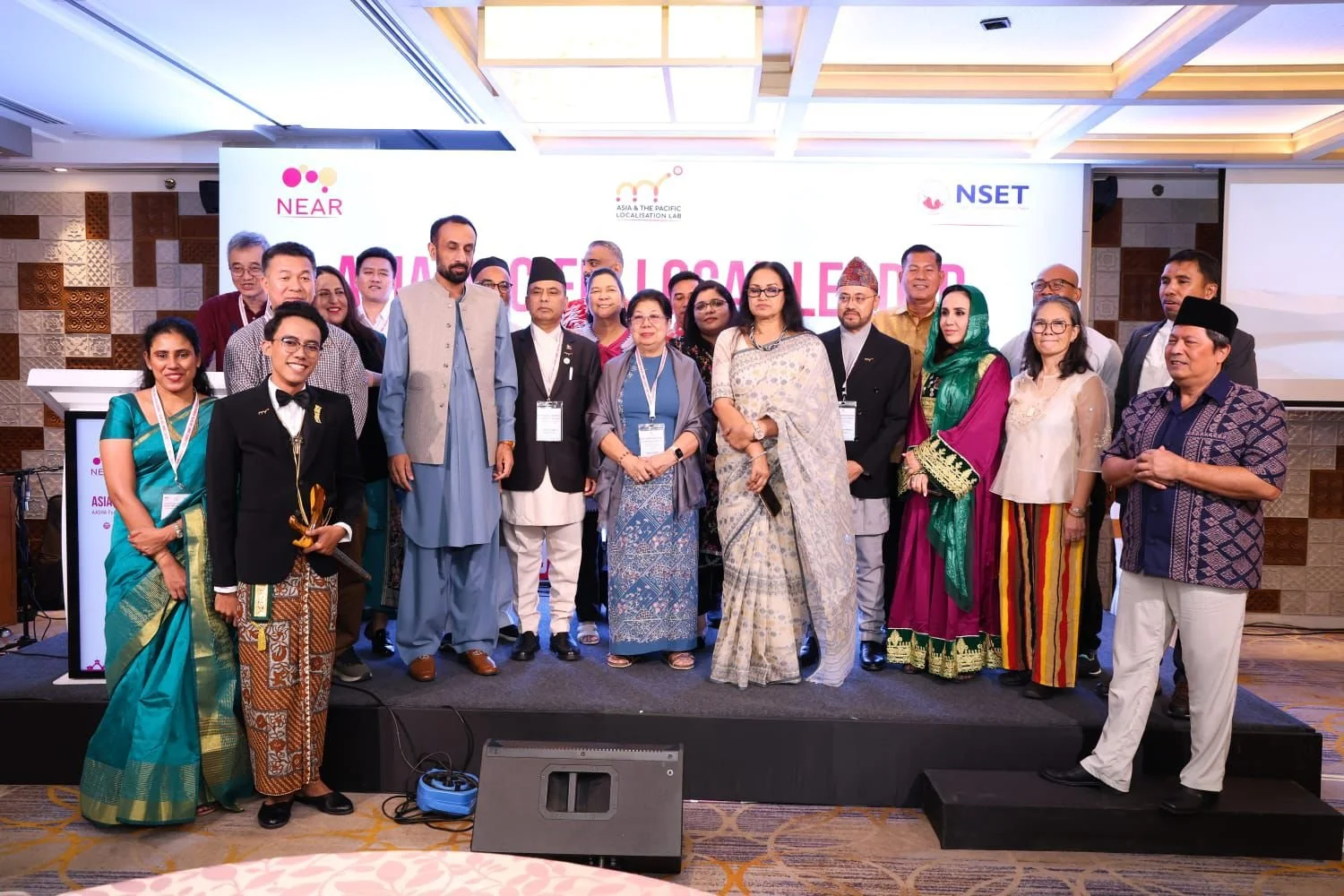
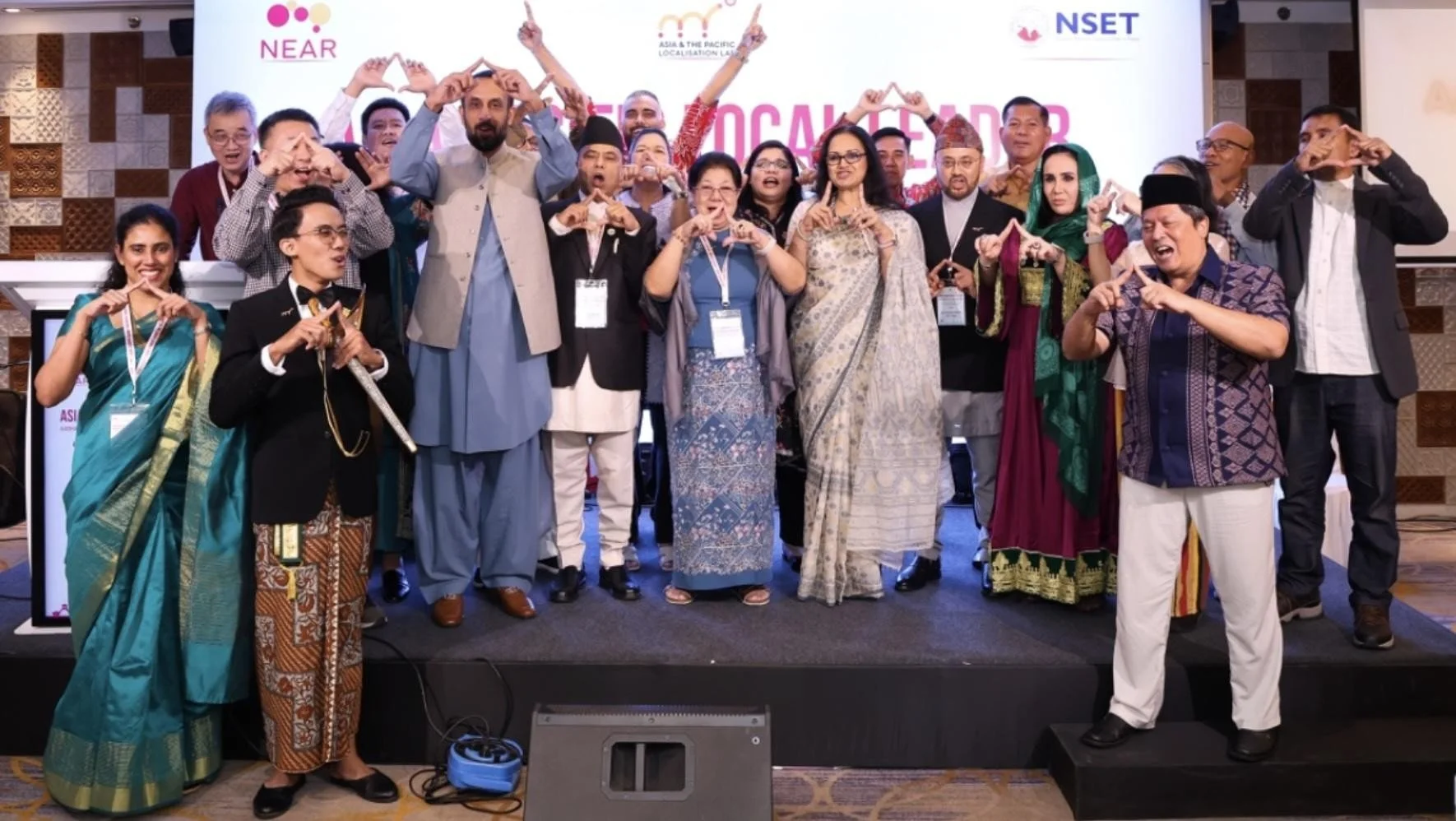
Members of the Asia-Pacific Local Leaders (APLL) at the Asia-Pacific Local Leaders' Summit 2025 in Kathmandu, Nepal

The post-World War II humanitarian architecture is unraveling. When aid access becomes a political bargaining chip and international teams are still calculating risks, local organizations are already on the ground pulling people from rubble. This reality drove seventeen organizations across the Asia-Pacific to stop asking for a seat at someone else’s table and start building their own.

On 21 August 2025, during the Asia-Pacific Local Leaders‘ Summit in Kathmandu, Nepal, we launched the AASHA Fund. Aasha – meaning hope –  is our response to the precarious humanitarian situation. It is not wishful thinking; it is organized preparation.

The AASHA Fund is a locally managed pooled fund. These are funding mechanisms in humanitarian and development contexts where financial resources are collected (“pooled”) from different donors and then managed at the local or community level. Instead of international agencies or large international NGOs being the main decision-makers, local organizations, networks, or community representatives decide how funds are allocated and used.

Read full story here.


The Time for Change is Now: Asia-Pacific Local Leaders Voice in NEAR’s Regional Summit

PHOTO CAPTION: Group photo of the Asia-Pacific Local Leaders (APLL) in Kathmandu, Nepal, August 2025.

by the Asia-Pacific Local Leaders (APLL) with storywriting support by By Neha Fayaz Sheikh, APLL Intern and graduate of the Harvard University

The global humanitarian system is broken. It is a machine fueled by crisis, prejudice, and profit. “We’ve too often seen our inclusion in ‘Asia-Pacific’ spaces reduced to tokenism,” states Akmal Ali, Coordinator of FALE. His words are our reality. The long-standing marginalisation of the Pacific – and the entire Global South – is not a debate topic; it is a weapon wielded through rampant funding cuts, growing distrust, and escalating political violence. We are trapped in a global disorder designed to entrench the power of the few. This domination of the Global North stifles all alternatives. Even well-intentioned reform frameworks—designed to create new ways of thinking—often risk replicating the very silences and hierarchies they seek to dismantle. Narratives shaped in the Global North still dictate who is seen and who remains unheard.

This systemic disregard is not an accident. It is the architecture of international aid. It is a crisis born of colonial histories – a closet of imperial horrors they hope to keep locked. When Western / Northern institutions attempt to “repair” these injustices, they fail. They refuse to cede power, to let local organisations lead, to trust us with context-specific responses and the equitable distribution of aid. Sameeri Noori, Executive Director of COAR in Afghanistan, lays the truth bare: “As someone who has worked for over a decade in humanitarian and development programs in Afghanistan, often under extremely complex and constrained environments, I have repeatedly seen how international aid systems, despite their good intentions, often fail to reflect or respond to the realities faced by local actors and communities.”

We refuse to be victims of this failure. In the face of this systemic collapse, we built our own answer: The Asia Pacific Localisation Lab (APLL). This is not a project; it is a movement. Forged by NEAR and partners across South and Southeast Asia and the Pacific, it is our living testament to South-to-South cooperation. It is a network built not just to connect local organisations, but to finally hear them. These are the voices of leaders with a century of combined experience, and this is their declaration for the future.

From Skepticism to Solidarity

The power of APLL is its ability to transform our legitimate skepticism into unshakable solidarity. Akmal Ali of FALE was rightly skeptical: “Initially, I was hesitant – coming from the Pacific, we’ve too often seen our inclusion in ‘Asia-Pacific’ spaces reduced to tokenism. As I observed and engaged with APLL, I recognised a deeply intentional space working towards meaningful change. Being part of APLL now feels like returning to family. It’s a space for learning, debating, exchanging knowledge, and, most importantly, solidarity and safety. APLL has not just been another forum – it has been an affirmation of our work since 2016. Through APLL, we find resonance, understanding, and collective purpose.”

This purpose is echoed by Puji Pujiono, senior advisor to the Pujiono Center, who saw for decades how reform was dominated by the North. “I firmly believe that a Global South platform is essential to play an active and influential role in shaping our own future,” he observes. “This conviction was further solidified when, in Indonesia, we established SEJAJAR—a network of over 600 organizations—and later oversaw its transition into the Indonesian Development-Humanitarian Alliance (IDHA). These experiences demonstrated the immense power and potential of local leadership, strengthening my commitment to championing it on a larger scale.” Their journeys from doubt to conviction are our shared story.

From Principle to Practice: Tools Forged by Us, For Us

This is not talk. It is action. In Bangladesh, Ehsanur Rahman, Advisor for NAHAB, testifies to the power of adaptable frameworks: “NAHAB became involved with NEAR back in 2021 for adaptation of NEAR’s Localisation Performance Measurement Framework (LPMF). We have done so effectively by first translating the key, relevant sections into the local language (Bangla) and adapting the measurement parameters to suit the Bangladeshi context. We used LPMF indicators of assessment in the relevant focus areas.” In Nepal, the results are just as tangible. Eak Raj Chhatkuli, Executive Director of FOCUS-Nepal, confirms: “Institutional capacity assessment framework tool provided by NEAR was used for institutional development of FOCUS-Nepal. The capacity building training, networking opportunities as well as policy improvement. have all helped in better functioning of the organisation to provide the services on the ground.”

Surya Narayan Shrestha, Executive Director of NSET, shows how this translates into systemic change: “The deepened understanding of locally-led solutions have also been very much useful in our interaction and advocacy with government and donor organisations. Our current work for the creation of the Community Resilience (CORE) Fund has been instrumental in promoting the concept of a pooled fund mechanism as an alternate solution to the current shrinking funding situation.”  We reject the rigid, incompatible templates imposed by the Global North. Our frameworks are living tools, adapted by us, for our contexts. This is the critical difference. This movement-building extends beyond funding mechanisms to fostering new, independent local structures. Loraine de la Cruz of the Philippine Localisation Lab highlights a powerful example: “In my country, the Philippine Localisation Lab is proud of its role in paving the way for the formalization of the PASIKLAB, the active people’s movement promoting the shift of power and community philanthropy and leading various community-led actions in different parts of the country.”

Redefining Cooperation: The Ethos of South-to-South Solidarity

At the heart of APLL is a radical principle: South-to-South cooperation is our primary modality for action. Syamsul Ardiansyah of Dompet Dhuafa, Indonesia, defines our mission: “South-South cooperation should be seen as a primary modality that not only strengthens ties and solidarity. but also serves as a platform for formulating alternative, new, more deeply rooted cooperation models. It should have a different strategy from the asymmetrical, transactional cooperation model that is currently prevalent. [promoting] standards that apply to all. emphasising the principles of mutual respect, justice, and mutual benefit.”

Sumera Javeed, Learning Workstream Lead for APLL, explains what this means in practice: “It’s about moving away from traditional top-down aid models and building power horizontally where expertise, innovation, and solutions are exchanged directly between local actors without having to rely on Northern intermediaries. The Asia Pacific Localisation Lab has been instrumental. It provided a safe, inclusive space where we could engage in honest conversations about power dynamics, funding flows, and the systemic barriers local actors face. promoting not just knowledge exchange but also trust, solidarity, and collective advocacy.”

This very model is built on the strength and reliability of its members. As Loraine de la Cruz notes, the movement’s trajectory is clear: “From its birth to its current level of development, APLL has taken a natural yet decisive course — changing the system now not tomorrow, to usher in a future system in the service of the people and communities. Its greatest asset and capital is a bench of bankable and reliable sets of leaders from nine countries who have trust in each other and a good relationship with one another built for cooperation, collaboration and influence to make history for its region.”

The Future is Local

APLL is not just a network; it is an incubator for the future we are building now. For Afghanistan, Sameeri Noori envisions a profound shift: “In the next 2–3 years, I see the localisation movement in Afghanistan maturing into a recognised and resourced national process—where national NGOs are not just implementers but decision-makers, and localisation is no longer viewed as a project but as a systemic reform agenda.” For others seeking to build this power, Pansy Tun Thein of the Local Resource Centre in Myanmar offers a blueprint: “We learned that collective voices are stronger and better heard and that evidence-based advocacy is more effective. By promoting ‘Unity in Diversity’ and ensuring that all members and partners respect diversity, promote equity and inclusion, then the journey can be smoother and the goal achievable.”

This collective power is self-perpetuating, focused on ensuring the movement outlives any single individual. The leaders within APLL understand their dual role, as Loraine de la Cruz explains: “These leaders understand their roles to play in their countries and in the region - to put the communities at the heart of humanitarian, development and peace efforts to pave the way for their leadership in shifting power and systems change. They gladly endeavored to develop new sets of leaders and champions to have a never ending blossoming of leaders and champions from its movement building and influencing efforts. As regional leaders, we take pride in our mindset, direction and leadership as leaders in our countries and in the region of the Asia-Pacific.”

This is not a hopeful platitude. It is a declaration. We declare an end to the era of top-down, inefficient humanitarianism. We declare the dawn of a new era defined by solidarity, led by local actors, and molded by the voices of our communities. A humanitarian future shaped by the Global South is not a distant aspiration – it is a demonstrated reality. The question for our global partners is no longer if you should support local leadership, but how and when you will join the movement that is already throttling forward with full force. We are building the future. The choice to join us is yours.

###

On 19 August, the APLL released the Kathmandu Covenant.

The covenant is the culmination of years of collaboration through the Asia Pacific Localisation Lab (APLL), a movement forged by the NEAR Network and partners across the region. It rejects the role of local actors as mere implementers and asserts their position as primary designers, decision-makers, and drivers of humanitarian, development, and peace efforts.

Read it here.

Shifting the Power: Empowering Local Organisations for a Sustainable Future

By Wejdan Jarrah, MENA Representative, NEAR

This blog reflects on the key insights and discussions from the "Shift the Power" webinar, highlighting the perspectives of NEAR, Christian Aid, and HelpAge International on empowering local non-governmental organisations (LNGOs) and transforming the humanitarian system.

Introduction: Why Now?  Equitable Partnerships: Evolving the INGO models

The humanitarian system is at a critical juncture. For decades, the model of aid has been dominated by international NGOs (INGOs), donor-led initiatives, and multilateral institutions. While this approach has delivered significant impact, it has also created layers of intermediaries between donors and the communities they aim to serve. Today, this model is unraveling. INGOs face crises of funding, legitimacy, and relevance, as donors pull back and global coordination weakens. The recent USAID funding freeze exposed the fragility of the system, highlighting the over-dependence on Western donors and the inefficiencies of centralised aid structures.

The question is no longer whether INGOs should grow but whether they should evolve. The time has come to shift the power—to empower local NGOs as the true stewards of their communities. This is not just a moral imperative; it is a practical necessity. Local organisations are already leading responses, holding communities together through crises, and influencing policy at national and international levels. Yet, they remain marginalised, trapped in cycles of short-term funding and limited decision-making power. The future of humanitarian aid depends on transforming these relationships into equitable partnerships grounded in mutual accountability and shared leadership.

NEAR’s Perspective: A Call for Transformation

For nearly a decade, NEAR (Network for Empowered Aid Response) has been at the forefront of advocating for localisation. During the webinar, NEAR emphasised that the humanitarian system is not only facing a crisis of funding but also a crisis of legitimacy. The traditional donor-led model is no longer sustainable, and INGOs must rethink their place in the ecosystem.

NEAR highlighted the uneven progress in localisation, noting that while policies have been implemented, practices and behaviors often remain unchanged. The organisation called for INGOs to move from controlling programmes to enabling them, from leading responses to backing local leadership, and from endless growth to sustainable, locally-led systems. 

"You are already the leaders. Claim your space—push for power, demand equality, and reject tokenism." Said by Valeria Geremia, Network Influencing Coordinator at NEAR

NEAR envisions its role as a critical friend to INGOs—challenging, supporting, and pushing for bold and necessary change. The organisation believes that INGOs still have a role to play, but that role must evolve. It’s time for INGOs to shift from being gatekeepers to being enablers, creating space for local leadership to thrive.

Christian Aid: Redefining INGOs’ Roles

Christian Aid is leading by example in shifting the power to local actors. The organisation shared how it has transitioned from direct implementation to working exclusively through local partners. 

Christian Aid exemplifies how INGOs can transition from implementers to enablers of locally-led development. The organisation has fundamentally restructured its operations, ceasing all direct implementation to work exclusively through local partners. This strategic pivot acknowledges that authentic localisation requires INGOs to relinquish operational control rather than compete with grassroots actors.

Their transformation is anchored in three concrete actions:

  • Elevating Core Funding: Prioritising unrestricted support to strengthen partners' institutional resilience beyond project cycles

  • Equitable Cost Sharing:

    • Guaranteeing 10% indirect cost recovery (ICR) from Christian Aid's own resources

    • Splitting donor-provided ICR equally with partners .

  • Redirecting Resources: Closing country offices and redirecting operational savings to local partners

Central to this approach is Christian Aid's practice of co-creating programmes through a paradigm-shifting question to communities: "How can we support you?" This reframes partnerships as equal collaborations where decision-making authority resides locally. As Interim Director of International Programmes Ray Hassan notes:

"Being comfortable with a smaller institutional footprint isn't diminished impact—it's success measured by local partners' autonomy."

HelpAge International: A Systematic Transition

HelpAge International is another organisation making bold strides in localisation. HelpAge shared how it is transitioning its country offices into independent local entities, allowing local organisations to lead programs and access funding directly. This process is tailored to each country’s unique context, ensuring that local entities have the autonomy and resources they need to succeed.

HelpAge emphasised that localisation is not just about shifting power but also about providing long-term support. The organisation ensures a systematic and responsible transition process, including consultations, assessments, and a three-year support period for financial and technical capacity strengthening. HelpAge also advocates with donors to work directly with local entities, facilitating partnerships that bypass traditional INGO structures.

"Advocate for direct donor-local partnerships. Start by sharing power before shifting it. Believe in local entities—they can manage donor requirements effectively."  said by Murali from HelpAge

The Way Forward: From Growth to Empowerment

The insights from NEAR, Christian Aid, and HelpAge International converge on a single truth: the future of humanitarian aid lies in empowering local NGOs. This requires INGOs to challenge their traditional growth models and embrace a new role as enablers, conveners, and supporters. It also demands structural and cultural shifts—moving from tokenistic localisation to true transformation.

For INGOs, this means being comfortable with becoming smaller and more focussed. For donors, it means investing in locally-led pooled funds, simplifying due diligence processes, and committing to equitable cost-sharing. For local organisations, it means claiming their space, pushing for power, and demanding equality.

The time for change is now. Localisation is not just a policy—it’s a practice, a mindset, and a movement. Success will be measured not in outputs but in lasting impact and local ownership.  

"You don’t need to wait for others to make space for you. You can claim it." said by Valeria Geremia

Let’s shift the power. Let’s build a system that is equitable, sustainable, and locally led.

Asia-Pacific Leaders Launch Kathmandu Covenant, declaring a New Era for Locally Led Humanitarian Aid

FOR IMMEDIATE RELEASE

Asia-Pacific Leaders Launch Kathmandu Covenant, declaring a New Era for Locally Led Humanitarian Aid

The Asia-Pacific Local Leaders Summit in Nepal introduces community-governed AASHA Fund, demanding a fundamental power shift from Global North donors and International Non-Governmental Organisations

KATHMANDU, Nepal – 19 August 2025 – In a historic move to reclaim the future of humanitarian aid, local and national leaders from across the Asia-Pacific region today signed “The Kathmandu Covenant: A Commitment to Resilience, Inclusion, Solidarity & Empowerment.” The covenant, launched at the Asia Pacific Local Leaders (APLL) Summit, marks a turning point, moving beyond the debate on “localisation” to actively dismantle a failing, top-down aid system and build a new paradigm centered on community ownership and Global South leadership.

Held on World Humanitarian Day and the tenth anniversary of the Gorkha-Kathmandu Earthquake, the summit challenges the deep-seated power imbalances that have long defined international aid. The covenant serves as both a declaration of principles and a direct call to action for donors, international non-governmental organisations (INGOs), and governments to fundamentally reconfigure their roles and funding mechanisms.

“For too long, the global humanitarian system has been a machine fuelled by crisis, prejudice, and profit, where our inclusion is reduced to tokenism,” said Win Tu Kyi, Coordinator of Local intermediary Alliance of Myanmar. “This covenant is our collective response. It is not an invitation to be included; it is a declaration that we are taking ownership of our own future.”

The urgency for this transformation is rooted in a shared experience of systemic failure. “I have repeatedly seen how international aid systems, despite good intentions, fail to reflect or respond to the realities faced by local actors and communities,” stated Sameera Noori, Executive Director of COAR in Afghanistan. “We refuse to be victims of this failure. We are building our own answer.”

The Kathmandu Covenant: A Blueprint for a New Ecosystem

The covenant is the culmination of years of collaboration through the Asia Pacific Localisation Lab (APLL), a movement forged by the NEAR Network and partners across the region. It rejects the role of local actors as mere implementers and asserts their position as primary designers, decision-makers, and drivers of humanitarian, development, and peace efforts.

“This is not just another forum—it has been an affirmation of our work. Being part of this movement feels like being part of a regional family,” added Sovandara Hean of the Cambodia NGO Forum.

The covenant’s demands are clear: a radical shift in funding flows to support local CSOs directly, the establishment of truly equitable partnerships, and institutional reforms that respect and embed local expertise within the global aid architecture.

“Local Leaders and their communities across Asia and the Pacific are not waiting for systems to change. They are already leading recovery, building peace, and creating resilient futures,” said Shahida Arif, Asia and the Pacific Regional Representative at NEAR. “This Summit and the Covenant give them a unified platform to do it on their terms.”

A Chorus of Local Leadership: Voices from the Frontlines

The covenant is backed by a coalition of seasoned leaders who are already putting its principles into practice.

The covenant is not just a document; it is a reflection of a movement already in motion, driven by a coalition of seasoned leaders who are putting these principles into practice. This shared conviction is articulated by Puji Pujiono, senior advisor to the Pujiono Center in Indonesia, who stated, “A Global South platform is essential to play an active and influential role in shaping our own future.” This vision is being realized through tangible, locally driven action. In Bangladesh, Ehsanur Rahman, Advisor for NAHAB, explained how they adapted global tools “into our local language, Bangla, to suit our context,” calling them “tools forged by us, for us.”

In Nepal, Eak Raj Chhatkuli of FOCUS-Nepal confirmed the direct impact of such capacity building in helping his organization function better on the ground. At the heart of this work is a new philosophy of collaboration. Mohammad Amad, Chairperson - National Humanitarian Network -Pakistan, insists this must be a move away from “asymmetrical, transactional models,” a principle amplified by Sumera Javed of HANDS Welfare Foundation in Pakistan, who describes it as “building power horizontally… without having to rely on Northern intermediaries.”

This momentum is creating systemic change, such as the new Community Resilience Fund in Nepal, highlighted by Surya Narayan Shrestha as an alternative to shrinking funding. As Loraine de la Cruz of the Philippines Localisation Lab affirmed, the movement’s strength is its “bench of bankable, reliable leaders from nine countries who trust each other,” a sentiment echoed by Pansy Tun Thein from Myanmar, who noted, “collective voices are stronger and better heard.”

From Principles to Practice: Launching New Solutions

The summit translated the Covenant’s vision into tangible initiatives:

  • The AASHA Fund: The first community-centred, regionally governed pooled fund in the Asia-Pacific. Meaning ‘hope’ in many Asian languages, AASHA will mobilise resources for local organizations to deliver dignified, timely, and effective crisis responses while building long-term resilience.

  • Nepal Localisation Lab: The summit celebrated the launch of the Nepal Localisation Lab, the fifth national lab in the region. These labs empower local leaders to drive the localisation agenda from the ground up. “The Lab is the living heartbeat of localisation, where real leaders come together not to compete, but to complement each other,” said Akmal Ellyas Ali from PIANGO.

  • Indonesia Localisation Lab: Asia-Pacific local leaders acknowledged the importance of Indonesian Localisation Lab facilitating the devolution of the humanitarian coordination power from the customary UN-led Humanitarian Country Team (HCT) into a platform to be co-led by local and national CSOs dubbed the Indonesian Humanitarian Coordination Platform (IHCP).

The Road Ahead: A Call to Action for Global Partners

The Kathmandu Covenant is a clear call to action. The leaders gathered in Nepal are taking this agenda forward with a concrete roadmap to hold the global system accountable. They will champion these principles at upcoming key global forums, including the Regional Humanitarian Partnership Week in Bangkok (December 2025), the NEAR Network's Global Assembly in Qatar (October 2026), and the 10th anniversary of the Grand Bargain in Turkiye.

A humanitarian future shaped by the Global South is not a distant aspiration—it is a demonstrated reality,” concluded Puji Pujiono “The question for our global partners is no longer if you should support local leadership, but how and when you will join the movement that is already throttling forward with full force.”

###

About NEAR

NEAR (Network for Empowered Aid Response) is a Global South-led network of over 300 local and national civil society organizations in over 40 countries across Africa, Asia & the Pacific, Latin America & the Caribbean, and the Middle East & North Africa. We believe that a just, effective, and dignified aid system must be led by those closest to the challenges.

Media Contact:

Rachel Roseberry
Communications Lead at NEAR
Email: rroseberry@near.ngo

Follow the Conversation:

#NEARAPLL2025 #KathmanduCovenant #ShiftThePower

Localization in Action: Building a Future Where Aid is Local A Perspective from the Pakistan Localization Lab

Co-authored by Ms. Sumera Javeed from Hands Welfare Foundation and Zartasha Niazi from IDEA

Also posted on ReliefWeb here.

In an increasingly volatile world where humanitarian crises are becoming more complex and frequent, the call for localizing aid is no longer a distant ideal rather it is an urgent necessity. The Pakistan Localization Lab, part of the NEAR Network’s global initiative, stands at the forefront of this shift, championing local leadership and transforming the humanitarian and development aid system from the ground up.

Pakistan is a country that frequently faces humanitarian emergencies floods, earthquakes, displacement, and economic shocks. In such contexts, local organizations are always the first responders, navigating complex terrains with agility and insight.

Their connection to the on-the-ground realities gives them a unique advantage they understand the needs, language, and aspirations of the people, and are often the first to respond in times of crisis. Yet, despite their critical role, they often remain underfunded, undervalued, and structurally marginalized in the global aid architecture.

To better position the local organizations and to raise their voice at all levels, there are several initiatives which are launched globally and locally to better understand the issues and concerns of local organizations so they can bring drastic change at the grassroots level with appropriate resources and capabilities.

Those initiatives included several platforms and networks which are advocating the effective work of local organizations and highlighting various challenges and issues that these organizations are facing. Among these initiatives, NEAR (Network for Empowered Aid Response), which is a huge network of local and national organizations from the Global South, initiated the localization labs. They were created to better uplift the local organizations where they can come up with innovative ventures to strengthen local actions at different levels.

“NEAR’s (Pakistan) Localization Lab is a transformative platform that brings local civil society actors to the forefront of humanitarian and development decision-making,” shared by Khadim Dahot by SDTS, a member of a local organization from Sindh-Pakistan

Pakistan Localization Lab members are active in 177 districts across Pakistan. With a combined financial footprint of nearly PKR 17.95 billion, these organizations have reached over 21 million people through their programs. But their work goes beyond numbers. The changes they advocate for are deeply cultural, incremental, and transformational. They advocate for incremental change at all levels supporting local solutions to reduce donor dependency promoting a cultural shift towards mutual respect and equitable partnerships. Ultimately, they advocate for a transformational change placing local actors at the center and turning global commitments into real, on-the-ground action.

Pakistan Localization Lab is redefining humanitarian action by fully endorsing the global humanitarian reset, where local actors play an independent and central role in co-creating solutions and innovations that directly address the needs and aspirations of communities at all levels.

The Lab firmly believes that in any humanitarian response, local communities must be at the center of decision-making and implementation. Their knowledge, priorities, and participation are critical for meaningful and sustainable outcomes.

Pakistan Localization Lab is committed to shifting away from the traditional aid model by advocating for funding mechanisms that prioritize local solutions, promote mutual understanding, and respect community-led approaches. The Lab emphasizes the need for humanitarian assistance to be effective, sustainable, and accountable to the people it is intended to serve.

Building Local Power, Not Just Capacity

A key distinction in the Localization Lab’s approach is its emphasis on shifting power, not just building capacity. While many international actors have long provided “capacity-building” to local partners, these efforts have often fallen short of genuine empowerment. The Lab challenges this dynamic by promoting equitable partnerships, encouraging mutual learning, and dismantling extractive systems of aid delivery.

A Vision for the Future

We envision a future where the Pakistan Localization Lab stands as a catalyst for transformative, locally led humanitarian and development action. While the road ahead may be long and challenging, we see every hurdle as a stepping stone, an opportunity to learn, adapt, and strengthen our collective commitment. With resilience at our core, we aim to build a robust ecosystem of empowered local actors, equipped to lead with confidence and impact. Through inclusive collaboration, innovative practices, and sustained capacity strengthening, the Lab aspires to shape a future where local leadership is not just supported but fully realized and central to lasting change in Pakistan.

The Lab is not an end, it is a beginning, as it is providing a future where aid is not only local in delivery but in design, leadership, and accountability. Pakistan Localization Lab is not only advocating for change but living it. It is setting a precedent: local actors – when supported and trusted – can lead effective, timely, and people-centered responses. The localization lab is not only addressing today’s challenges but laying the foundation for a more equitable and resilient humanitarian future. It’s a long and challenging journey ahead, and along the way, we anticipate encountering several hurdles in achieving our ultimate goal. However, each obstacle also presents an opportunity for growth, learning, and strengthening our collective resolve. The Pakistan Localization Lab is committed to navigating these challenges with resilience and determination, as it strives to empower itself and local actors to take ownership of humanitarian and development efforts. Through collaboration, innovation, and capacity strengthening, the Lab aims to become a driving force for sustainable, locally led change in Pakistan.

NEAR's Townhall: Appreciation. Solidarity. Endurance.

by Sandrina da Cruz, Solutions Director

We kicked off NEAR’s first Town Hall of 2025 with 120+ members! NEAR’s Executive Director, Hibak Kalfan delivered grounding remarks – contextualizing our gathering within the broader geopolitical landscape and the tumultuousness of the aid sector. We reflected on the importance of coming together at a time when communities are experiencing such deep suffering across Gaza, Sudan, Myanmar, D.R. Congo and elsewhere. It’s never been more critical for Global South leadership to shape and forge the way forward.  

Power in the Collective 

We celebrated wins – highlighting our members’ instrumental leadership and our collective accomplishments towards NEAR’s strategic plan which was formulated through the engagement of 300+ members. We emphasized the critical pivots undertaken to effectively respond to the challenges our community is facing.   

NEAR Reach: 318 Members | 21 Partner Networks | 43 Countries | 4 Regions 

As we move forward together, we’re focused on achieving sustainability and growing community Impact. Members are excited to build on the momentum of 16 NEAR Localization Labs in 14 countries, including 2 regional labs in Asia Pacific and Latin America and the Caribbean. Members are building movements, leading workshops, launching financing solutions, advancing community philanthropy and resource mobilization. 


“Local resource mobilization and using indigenous knowledge will be one of the methodologies to reduce local problems with local solutions.” 

~NEAR member 


Transformation – beyond reset + reform 

Amidst the financial shocks to the sector, we’re observing some funders and INGOs protecting their own roles and stepping back from localization commitments, and we face the real risk of a recentralising of power.  NEAR members asked critical questions about how we can shape our tactics and priorities to increase our effectiveness and influence. Global South leaders are ceasing and designing opportunities through these challenges, including, but certainly not limited to, UN and Global North led reset and reform initiatives We’re committed to working in a coordinated manner to dislodge the entrenched power dynamics that rule the sector. And, our approach is guided by a strong, learning-forward agenda.  


“With NEAR, we can reflect with decision-makers on the ground. We have their trust and can react as per the community's needs. This is empowering and proves locals have knowledge. They just need to be given the trust.” 

~NEAR Member and Change Fund Grantee 


NEAR's Town Hall concluded with expressions of appreciation and solidarity.  Leadership is tested and shaped by difficult moments. These Global South leaders demonstrate to an overwhelmed aid sector the importance of creating space to support and celebrate one another. This solidifies the foundation that propels our movement towards the systems transformation we envision. 

OpEd in The New Humanitarian: Beyond the reset: Five priorities for genuine humanitarian transformation

As seen here in The New Humanitarian: https://www.thenewhumanitarian.org/opinion/2025/06/19/beyond-reset-five-priorities-genuine-humanitarian-transformation

Opinion Piece published on 19 June 2025

By Anita Kattakuzhy, Director of Policy at NEAR; Dustin Barter, Senior Research Fellow at the Humanitarian Policy Group of ODI Global; and Ruby Johnson, Director Global Resilience Fund / Purposeful.

We live in unprecedented times: Extreme humanitarian needs are being met with dramatic funding cuts. Something has to give, yet the so-called “humanitarian reset” is an ill-conceived and reductionist approach for a moment that requires genuine system transformation.

Such concern is compounded by recent reports that the United Nations faces an institutional reckoning, raising fears that self-preservation will be prioritised. The UN has become entrenched at the centre of the humanitarian system. Many decisions are taken behind closed doors, while Global South populations, civil society, and states are largely excluded. This is acutely problematic. As the reset pushes forward, it must be a catalyst for radical system change that is both immediate and long-term.

There are no quick fixes to the existential calamity in the humanitarian sector, but we cannot continue down the current top-down processes of reform. Many international agencies resist substantive change, but donors wield considerable influence with their funding.

We offer five priorities for humanitarian system transformation. It is based on discussions with civil society actors, bilateral donors, and other international humanitarian actors, and is intended to contribute towards what must be an equitable and ambitious change process. The UN (and international NGOs) already play a disproportionate role in the sector. True transformation must be driven by the Global South actors facing crises. Our proposals may cause discomfort – it must be embraced. 

Read entire article here.

The Humanitarian Reset Must Catch Up to Reality

By Hibak Kalfan

On 17 June, the heads of the world’s biggest humanitarian agencies will gather in Geneva to discuss the future of the humanitarian system. On the agenda: what comes next in the  “humanitarian reset”, a proposed overhaul of the global aid system launched by United Nations Humanitarian Chief Tom Fletcher in March 2025. Most of the 300 million people affected by crisis, and many local and national organisations’ leaders won’t know it’s happening but what they decide could shape the future of humanitarian response, and their lives for decades. These global aid leaders are meeting at a time when the system they lead is under historic pressure. Funding is disappearing. Needs are rising. And perhaps most dangerously, trust is collapsing – not just in whether the system can deliver, but in who it listens to and who it serves.

We’ve been here before. Every few years, aid leaders acknowledge that something isn’t working. They commit to fund more local organisations, to share power, to make the system more accountable to the people it's meant to help. But the results are always the same: good words, weak follow-through, and very little change at the centre.

This time has to be different.

Because in many places, the system is no longer bending, it’s breaking. And those who’ve been excluded from decision-making for decades – frontline responders, local leaders, communities – are not waiting for the leaders of this system to finally move. They are innovating and building their own solutions quietly, courageously, and out of necessity.

We’ve seen it in Türkiye, where local organisations led coordination efforts in the first days after the earthquake – well before international systems arrived. In Kenya, communities are designing their own alert systems, triggering funding on their terms. In Colombia, local leaders are aligning crisis response with long-term peace strategies. These are not one-off stories. They are signals. Change is already happening – just not where the spotlight is.

And that’s what the conference on 17 June must confront.

Because it’s not enough to regroup. And it’s not enough to reform. If the humanitarian system is serious about change, it must be willing to shift money, trust, and decision-making to the people who are already doing the work. It’s time to break free from conventional thinking and reimagine where true value lies.

A true reset means fundamentally rethinking how aid is coordinated, funded and held accountable. It requires coordination rooted in local realities – not just consulting local actors but co-creating response systems with them, from design to decision-making. Funding must empower, not undermine:  by financing local organisations directly, not through endless layers of intermediaries. And accountability must flow both ways – not just to donors in global capitals, but to the communities bearing the brunt of crises, and those supporting them. This means transparency in how resources are used, feedback mechanisms that drive real change, and leadership roles for local actors that come with actual authority, not just symbolic inclusion. The goal is a system where power is not centralised in Geneva, New York, or any other Global North city but built where it belongs: in the hands of frontline responders.

NEAR is one of many voices saying this. Global South coalitions have said it. Feminist networks have said it. Diaspora networks have said it. International non-governmental organisations and their networks have said it. Even donors and United Nations (UN) agencies have endorsed these ideas. But policy papers aren’t power shifts. The real question is: will this leadership group listen and act accordingly?

Because not all resets are created equal. A reset that rearranges chairs without changing fundamentally who sits in them and how they act – will fail. And it will send a clear message: that the internationally-led system’s survival matters more than the people it claims to serve.

But a reset that recognises what is already happening outside its walls, and chooses to catch up, could be the start of something better. A system that listens, adapts, and shares power. One that doesn’t just survive but earns its place.

There’s still time to choose that path. But not much.

The future of humanitarian action is already being shaped. The real test now is whether the system will follow or be left behind.

Inside NEAR’s Localisation Labs: Where Power Shifts and Change Begins

Co-Authored by Enrique Garcia, Shahida Arif and Wejdan Jarrah, NEAR’s Regional Representatives, with NEAR’s Lab Convenors and Members from across the regions 


Photo Caption: [from left to right] 

 Shahida, Wejdan and Enrique, 

 NEAR’s Regional Representatives 


This blog marks the first in a series diving into NEAR’s Localisation Labs. As Regional Representatives of the NEAR Network, we want you—our global community—to hear directly from our members who are shaping these Labs across our four regions: Latin America and the Caribbean, Africa, the Middle East and North Africa, and Asia and the Pacific. 

What Are Localisation Labs? 

At their core, Localisation Labs offer structure and space to test, adapt, and operationalise localisation in ways that reflect each region’s unique realities. They are platforms for reclaiming localisation’s true purpose: shifting power to those most affected by crises and rebuilding systems from the ground up—led by local knowledge and priorities. 

These Labs aren’t just projects. Each lab is uniquely designed; they are living laboratories of local leadership, experimentation, innovation, engagement, and systemic change. 

“To me, the Labs represent vibrant civil society spaces,” shares Enrique Garcia, NEAR’s Latin American and the Caribbean Regional Representative. “These bring together local and national NGOs, helping them amplify their humanitarian and development work, not only within communities but to governments and international actors. They are the frontline voice for the most vulnerable.”  

“To me, the localisation lab is a transformational concept that embodies the essence of a bottom-up approach,” shares Wejdan Jarrah, NEAR’s Middle East and North Africa Regional Representative. “Unlike other initiatives, it introduces a contextualised systems perspective, aligning local and national movements to amplify the collective voice in localisation. The establishment of localisation labs resonates deeply with me because it bridges local and regional perspectives with global frameworks, offering a clear vision and actionable goals that enable tracking commitments and measuring impact. It creates a unified space where grassroots NGOs collaborate with national NGOs under one umbrella, positioning themselves within the system to learn, grow, challenge, and be challenged as a collective - harnessing the power of unity for meaningful change.” 

“The uniqueness of these Labs lies in their openness to experimentation. Every time we gather,” explains Shahida Arif, NEAR’s Asia-Pacific Regional Representative, “we create a space where we can learn from failure, amplify our voices, and co-create innovative solutions.” 

Whether through national or regional setups, each Lab focuses around four pillars that are complementary and mutually reinforcing:   

  1. Building and Amplifying a Collective Voice; 

  2. Positioning Local Actors as Primary Decision-Makers; 

  3. Co-creating and Uplifting Local Solutions; 

  4. Generating and Promoting Learning to Drive Change. 


About the Labs from Across our Membership 

Since launching the first Labs in 2023, NEAR’s Localisation Labs have grown into dynamic, member-driven spaces operating in 14 countries, with 1 regional lab in Latin America and 1 regional lab in Asia, offering not just a platform but a living laboratory for local actors to experiment, collaborate, and lead their humanitarian and development agendas. Below are quotes captured from Lab Convenors and Members from across these spaces. 


Map of Active NEAR Localisation Labs 


Latin America and the Caribbean: Local Knowledge, Collective Power 

Across Latin America and the Caribbean, Localisation Labs are not just platforms—they are deeply rooted movements driven by community experience, autonomy, and a vision for long-term change. From Central America, to Colombia and Venezuela, Lab leaders are advancing models of humanitarian and development action that are grounded in local realities and built to last. Their work demonstrates that when local actors lead, systems become more inclusive, resilient, and sustainable. 

CAPTION: Colombia Localisation Lab. 

“Localisation enhances the leadership and autonomy of local organisations, enabling them to take the lead in both humanitarian and development decision-making,” says Maritza Copete, Lab Convenor, Colombia Localisation Lab. 


“These Labs are rooted in the experience of communities. They are how we find sustainable, community-led solutions that ensure direct access to resources and decision-making power,” says Cleotilde Guevara, Lab Convenor, Central America Regional Localisation Lab


“We view localisation as essential for creating an integrated and systemic approach that enables both local and international humanitarian actors to develop a shared vision aimed at improving living conditions holistically. This process enhances their capacities through learning in design, planning, execution, and accountability. Localisation promotes local development and empowers residents and citizens within a specific area—whether rural, urban, in a parish, or a neighbourhood—who possess their own identity, history, resources, and capabilities. With cooperative efforts, these communities can strengthen their development initiatives, creating projects that help overcome crises and reduce conflict levels. Importantly, this process will continue even after international assistance ends, as the communities will be equipped to generate their own development initiatives and foster democratic coexistence,” says Marlene Jairala Q., Lab Convenor, Venezuela Localisation Lab. 

CAPTION: Venezuela Localisation Lab. 


Africa: Driving Change from the Ground Up 

Localisation Labs in Africa are proving that lasting change starts with local leadership. From Ethiopia to South Sudan, these Labs are building momentum through advocacy, action, and powerful partnerships. Whether shaping national policy or leading responses in crisis zones, African Lab leaders are redefining what it means to deliver truly community-centred humanitarian solutions. 

CAPTION: Ethiopia Localisation Lab launch. 

Ethiopia Localisation Lab’s multifaceted approach, combining capacity-building, strategic advocacy, and global partnerships, positions it as a leader in Ethiopia’s localisation movement. As ELL members continue to push for systemic change, their efforts underscore the power of local actors in driving sustainable, community-centred solutions,” says Lulseged Mekonnen, Lab Convenor, Ethiopia Localisation Lab. 

”The South Sudan Localisation Lab is not just advocating for change; it is implementing solutions in refugee and IDP settings and generating evidence to drive a truly locally led response. Through NEAR's support the SSLL has grown into powerful platform, uniting local and national organisations to champion the Localisation agenda and engage directly with donors and partners” says Luate Joseph Jon, Lab Convenor, South Sudan Localisation Lab. 

CAPTION: South Sudan Localisation Lab launch. 

Middle East and North Africa: Disrupting Traditional Humanitarian Frameworks 

In a region long shaped by protracted conflict, political instability, and externally driven agendas, a bold vision is emerging from within: localisation not as a catchphrase, but as a transformative practice. The Localisation Labs in Syria, Palestine, Lebanon, and Yemen are movements, placing local leadership, community ownership, and contextual intelligence at the heart of rebuilding, resilience, and renewal. These Labs are disrupting traditional humanitarian frameworks by fostering inclusive spaces where local actors—once treated as implementers—become the architects of their own futures. 

CAPTION: MENA Summit 2025. 

“The Syria Localisation Lab reimagines localisation, moving beyond its traditional humanitarian scope. Historically associated with emergency response, localisation in Syria’s post-conflict phase now centres on empowering Syrians to take the lead in shaping their country’s future, with external actors playing a supportive rather than directive role. This evolved approach broadens the concept to encompass the wider civil society, prioritising underserved and peripheral areas over centralised hubs, and fostering collaboration with local governance structures. The Lab’s mission is not to perpetuate aid-dependent systems or encourage artificial NGOisation, but to establish sustainable, locally rooted frameworks that reduce dependency and drive long-term development. Our goal is to create enduring solutions and locally-led financing mechanisms, enabling Syrians to rebuild their nation with self-reliance and resilience at the forefront,” says Kinan Diab, Lab Coordinator, Syria Localisation Lab.  


“The Palestine Localisation Lab possesses a unique and distinguished character, setting it apart from other labs. It stands as a crucial and unparalleled gateway to the future, particularly in confronting the significant challenges that extend beyond Palestine to encompass developing nations and conflict-affected regions globally. The lab champions the ideals of freedom and decision-making autonomy, underscoring the value of self-reliance and individual confidence. It adopts a visionary approach, striving to empower individuals and communities to tackle and surmount the intricate challenges of their surroundings. Ultimately, the Localisation Lab transcends being merely a physical entity; it is a profound emblem of resilience, innovation, and optimism for a brighter future amidst adversity,” says Mahmoud Hamada, Palestine Lab Coordinator. 


CAPTION: Palestine Localisation Lab Launch at MENA Summit 2025. 

“The Lebanon Localisation Lab is a vital initiative aimed at enhancing the local character of humanitarian and development work. It provides a space where local NGOs can collaborate, innovate, and take risks to address challenges and propose solutions tailored to Lebanon’s unique context,” says Nadine Saba, LHDF Steering Committee Member, Lab Convenor, Lebanon Localisation Lab.What does this lab do? It’s a tester. We think. We discuss. We apply. We review and learn. In certain places, we can run into obstacles. It can be localised. We make mistakes with sweet stories in this lab, and the lab allows for these mistakes. The good thing about this lab is that it opens up a lot of opportunities for us to make mistakes. Making a mistake in our field is not advisable. In this lab, there is no fear of making a mistake because we are just working and we are likely to make a mistake. What distinguishes this lab is that we are not afraid to make mistakes. We stop being afraid of making mistakes, and we stop being confined to a certain approach and a certain way of doing things.” 

“The Yemen Localisation Lab represents a transformative opportunity for Yemeni NGOs, aiming to revolutionise humanitarian and societal work. It shifts the focus from individual efforts to collective action, fostering a culture of collaboration, resource sharing, and innovation. This approach is particularly significant in the context of Yemen, where political and economic challenges have created barriers to effective humanitarian work. The Localisation Lab emphasises the importance of managing human and material resources collectively. It allows organisations to benefit from the expertise of others, overcome shared challenges, and exchange knowledge effectively. By encouraging out-of-the-box thinking, it provides a platform for local civil society organisations to innovate and adapt to the region's unique needs. It promotes the development of new strategies and tools tailored to the realities of Yemen. The Lab facilities collaboration among local networks and organisations. It aims to establish clear strategies and frameworks that align with the region's needs, ensuring that humanitarian efforts are both effective and sustainable. Localisation is rooted in the belief that humanitarian work is most impactful when driven by local networks. It advocates for equality, justice, transparency, and equitable opportunity management, ensuring that local organisations play a central role in addressing community needs. It also provides a structured environment to discuss difficulties and explore opportunities. It enables Yemeni NGOs to plan strategically, innovate, and develop models that can serve as examples for other countries facing similar challenges. It is envisioned as an optimal model for humanitarian work during this critical period. It seeks to unify efforts, establish appropriate tools, and create a clear vision for the future of humanitarian and societal action in Yemen,” says Asia Al-Mashraqi, Lab Convenor, Yemen Localisation Lab

Asia and the Pacific: Local Leadership, Shared Strength 

In Asia and the Pacific, Localisation Labs are more than initiatives—they are vibrant spaces of collaboration, where local leaders come together not to compete, but to complement and uplift one another. From Pakistan to Indonesia, the Philippines to Afghanistan, these Labs are reclaiming voice, power, and agency—proving that real change begins when communities lead their own solutions. 

“Asia Pacific Local Leaders and the Lab is the living heartbeat of localisation. It is where real leaders from the ground come together, not to compete, but to complement each other. Asia Pacific Localisation Lab (APLL) is not just gathering but collective rise of wisdom, dignity, and courage rooted in community. In a world too often driven by top-down solutions, we are proving that lasting change beings when local leadership is trusted, resourced and respected,” say Akmal Ellyas Ali, PIANGO Pacific


“NEAR’s Asia Pacific Localisation Lab is a transformative space where local actors lead, innovate, and reshape the aid system based on lived realities- proving that locally led action is not just possible, but essential,” says Maria Cagay, Solutions workstream member for APLL. 


“More than a platform, the NEAR localisation lab represents a strategic shift, where community voices meet global platforms to shape a future in which aid is informed by the local knowledge, led by the local actors, and accountable to the communities its serves,” Sumera Javed, Learning Workstream Lead APLL.  


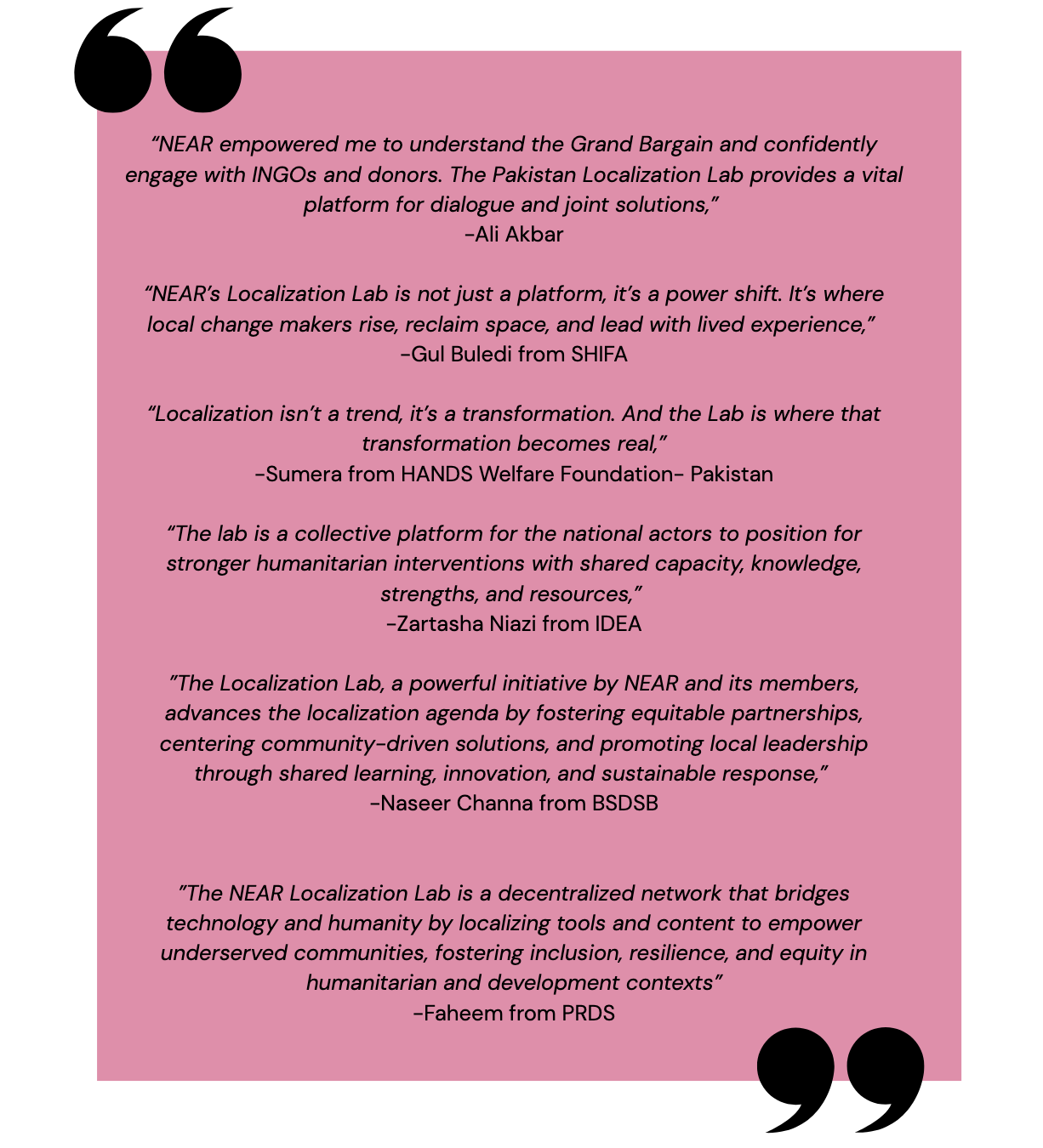
“NEAR’s Pakistan Localisation Lab is a transformative platform that brings local civil society actors to the forefront of humanitarian and development decision making. It fosters a space where local knowledge, leadership, innovation are valued and amplified by,” says Dr. Dahot Khadim Hussain, member of Pakistan Localisation Lab.  “The Lab serves as a decentralised network that bridges technology and humanity. By localising tools and content, it empowers underserved communities to access, understand, in the humanitarian and development sectors, this approach fosters inclusion, resilience, and equity in the difficult situation,” says Fahim Khan, VDO, member of Pakistan Localisation Lab. 

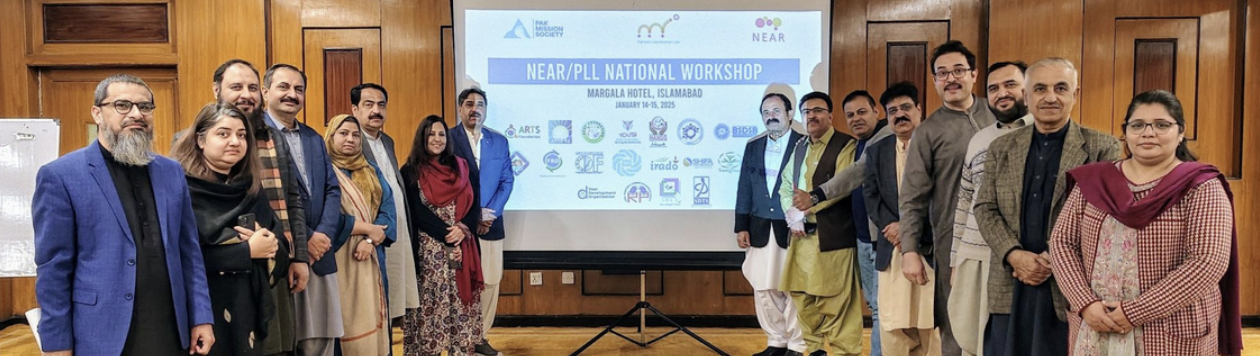
CAPTION: Pakistan Localisation Lab National Workshop. 


Philippines Localisation Lab is a collective process of building the power of grassroots communities. It is an act of claiming its legitimate share of pooled resources. It is a decision to chart its course for genuine development,” says Linda D. Gobrin, co-convenor Philippines Localisation Lab. 


“The Indonesia Localisation Lab is a safe space to fail forward with local solutions, to build our local identity, voice and power in the new normal of humanitarian. And why is it important to us? Because it empowers us to take control of our own solutions and voice, breaking free from much too long being sidelined in conversations and negotiations that too often exclude us,” says Dr Puji Pujiono, Advisor Pujiono Centre, Indonesia Localisation Lab.  

CAPTION: Afghanistan Localisation Lab


“The Afghanistan Localisation Lab is helping local Afghan voices lead the way, making sure real change starts from within our own communities. It is a catalyst for locally led change in Afghanistan,” says Sameera Noori, Lab Convenor, Afghanistan Localisation Lab


Why the Labs Matter Now 

For too long, localisation has been defined by others. NEAR’s Localisation Labs flip the script. They are led by the people who live the realities, who hold the solutions, and who know their contexts best.  

“It is within these Labs that the groundwork for true localisation is laid,” says Hibak Kalfan, NEAR’s Executive Director. “Here, our members innovate, collaborate, and lead the charge in transforming the global aid system.” 

These Labs aren’t just incubators of ideas. They’re building ecosystems of trust, leadership, and resilience—and a global humanitarian architecture that finally listens to, and is led by, local voices. 

Beyond the European Humanitarian Forum: What NEAR Members Took Away from EHF 2025

NEAR members from left to right: Ahmed Ibrahim, ASAL Humanitarian Network, Kenya; Burak Cinar, Support to Life Turkiye; Shahida Suleiman, Taakulo Somali Community Organisation

It seems that everyone has finally recovered from the whirlwind that is the European Humanitarian Forum (EHF) — back-to-back panels, side conversations, networking, influencing. For NEAR and our members – from Myanmar, Kenya, Somalia, Liberia, Yemen, Lebanon, Syria – it was something else entirely: a moment of urgency, reflection, and resolve.

NEAR recently took a moment to debrief with our members who attended EHF, asking: What are we taking away? How are we moving forward?

Sentiments of Urgency and Frustration

EHF could not have happened at a more consequential time. The humanitarian sector has not only lost funding but is quickly losing legitimacy. When we gathered in Brussels, the effects of cuts had already been – and continue to be – felt across the globe, not least for many local and national organisations.

There was a sense of urgency at EHF that the forum has not experienced before, felt particularly on the sidelines, in the conversations our members had with each other, bilateral donors, and others. In this context, the commitment that ECHO (European Civil Protection and Humanitarian Aid Operations) announced to reaching 25% funding as directly as possible to local actors by 2027 was hugely welcome. Currently at 11% funding to local actors, ECHO has a long way to go, but they clearly feel that they have large shoes to fill, having stated more than once that they are now the largest humanitarian donor.

There were few other bold commitments made at EHF. What we heard instead was frustration, concern, and fatigue (and not just from local organisations). Frustration from our members that some panels seemed to discuss critical topics as if it were business as usual, that certain contexts were not given time; frustration that panels did not seem to have as strong local representation as EHF the previous year; and frustration that many panels felt like talk shops rather than real opportunities for dialogue, with little to no time left for Q&A – and therefore few local voices heard. We heard fatigue that yet again global events fail to be inclusive to those who do not speak English fluently. And, perhaps most palpable, we witnessed fatigue (not just from local actors) with new reform agendas, coupled with deep concern that these reforms will not yield concrete change.

The Gap Between Words and Action

The refrain that the system should be as “local as possible, as international as necessary" was a common one at EHF. But, as Irwin Loy from The New Humanitarian recently said at another event, “Who decides what is possible? Who decides what is necessary?”

While our members continue to advocate, it is clear to them that without changing power structures, we get new platitudes but remain stuck with the same systems.

Beyond Platitudes: Shifting Power

NEAR and our members aren’t waiting for the system to change. We are pushing it to change.

It is with these questions, and this resolve, that NEAR members continue to advocate for an aid system that:

  • Trusts local and national civil society

  • Centres communities, and

  • Shifts decision making and resource allocation in ways to achieve that.

As Shahida Suleiman said in her panel discussion on localisation, “We all have a role to play in building this new house, in weathering the storm together. But we have been doing capacity building as local organsations for a long time - it's time for international actors to sit back and see that investment bear fruit".

The EHF may be over, but the work is not.

NEAR members and representatives from Lebanon. From left to right: Mahmoud Mansour, LHDF; Stephanie Antoun, LHDF, Nadine Saba, Akkar Network for Development, Jeanne Frangieh, HIMAYA DAEEM AATAA, Jana el Khoury, LHDF.

NEAR Member from Syria, Rana Bitar, Space of Peace.

NEAR's MENA Summit: February 2025 in Amman, Jordan

In February, NEAR’s Members came together at the MENA Summit in Jordan. Three incredible days left us inspired and empowered. Innovative solutions, powerful partnerships, and local leadership took centre stage. We tackled tough truths, launched new localisation labs, and united for stronger advocacy. Want to see the highlights and hear these voices? Watch NEAR’s MENA Summit 2025 video and get inspired!

This is only the start to 2025, stay tuned as we continue these inspiring conversations in the region over the next few months.

Bulsho Fund: Harvesting Solutions in Somalia

Harvesting Solutions in Somalia with help from The BuLSHO FUND

PHOTO CAPTION: Cilantro sprouting, also at Dalsan —marking the early stages of a harvest made possible by community-led, climate-resilient farming.

The Bulsho Fund is a local funding mechanism in Somalia. Established in 2021, the Fund provides flexible and unrestricted grants to communities, for both short-term disaster relief and for longer-term development work.

Across Somalia, smallholder farmers are the backbone of food security, yet often they face multiple challenges: climate unpredictability, water shortages, high production costs and transport issues. Three farming cooperatives, Dalsan, Towfiq, and Kulan—with investments from the Bulsho Fund—are demonstrating the power of locally-led solutions in restoring food security, improving livelihoods, and scaling sustainable agriculture.

Their successes showcase how direct funding to communities leads to greater efficiency, impact, and long-term resilience.

Dalsan Farming Cooperative in Bari Region, Puntland

In the face of climate volatility, Dalsan Farming Cooperative has emerged as a model for climate-smart agriculture in Somalia.

“With the solar water pump, our farm (1.2 hectares) has been able to farm fully during the dry seasons, bringing employment to 6 permanent farmhands and 2 girls who manage the farm on different days of the week. Our farm is in an isolated settlement, we focus on annual grains rather than cash crops, as transport could be severely limiting, especially during rainy seasons. We expect to harvest between 2 and 3 tons of wheat and sorghum by mid-winter (June-July). Our farm does not bring in much hard currency, but it provides food security and sustainability for us and the settlement in general." -Mohamed Ahmed, Head of the Towfiq Cooperative


With the support of the Bulsho Fund, Dalsan Farming Cooperative have achieved:


🔆 Solar water pumping system.

💧 Water storage tank.

🌿 Efficient irrigation with expansion of cultivated land.

Increased production capacity - leading to estimated 100-150% improvement in income generation.

Employment growth providing 6 full-time jobs and 110-130 seasonal jobs, most of which are filled by women.

Bulsho Fund insight: What sets Dalsan apart is its co-financing of the interventions, where the community covered 31% of the total project cost.

———————

Towfiq & Kulan Farming Cooperatives in Lower Shabelle Region, Southwest State

Afgoye, once a vibrant agricultural hub of Somalia, has suffered from recurring droughts, depleting water levels, and increasing fuel prices. To combat these challenges, the Bulsho Fund has equipped them with:

🔆 Solar-Powered Water Pumping:

🌿 Greenhouse Farming in Kulan

💧 Drip Irrigation

Modern Farming Techniques increasing productivity and reducing post-harvest losses.

“Before this support (a solar water pumping system and a greenhouse), our 1-hectare farm sat idle. We are currently concentrating on the greenhouse, which has produced around 4.5 tons of tomatoes and cucumbers, bringing in over USD$7,000. The first batch went to market and sold in a matter of 24 hours. We are using this income to produce varieties of cash crops such as animal fodder for the large number of camel milk businesses and livestock nourishing farms in and around Afgoye. Our key advantage lies in our proximity to the main road for transport to our customers and the fresh produce trading centers in Afgoye, which is the largest producing district in the whole of Somalia.” -Mohamed Amin, Head of the Kulan Farming Cooperative

Bulsho Fund insight: rather than imposing rigid conditions, the Fund adapts to the realities on the ground. Farmers initially struggled with high fuel costs for irrigation, instead of prescribing a fixed solution, the Fund worked with the cooperatives to implement solar-powered water pumping systems, reducing operational expenses and ensuring sustainable water access.

Beyond Somalia: Why the Bulsho Fund and These Farms Matter

Through integrating solar energy, mechanised farming, and modern irrigation, Dalsan, Towfiq, and Kulan Farming Cooperatives are reducing vulnerability to climate shocks, improving food security, and creating sustainable livelihoods. These projects demonstrate that when farmers have access to the right resources, they can drive meaningful change in their own communities. Smallholder farmers are not just food producers but also agents of economic stability and resilience.

Additionally, these initiatives challenge outdated donor models that often exclude local actors from decision-making. Instead of being seen as mere beneficiaries, the farmers and cooperatives leading these projects are recognised as partners, innovators, and problem-solvers. Their ability to co-finance, maintain, problem solve, and expand their own agricultural initiatives demonstrates the viability of community-driven solutions to development challenges.

Beyond Somalia, these projects provide a compelling case for expanding locally-led funding across crisis-affected regions. As global funding models evolve, the Bulsho Fund’s investments prove that flexibility and trust-based funding allows communities to address urgent needs while planning for long-term resilience, leading to more sustainable outcomes.

No matter where you are, communities and local leaders are at the heart of innovative and long-lasting solutions when responding to humanitarian challenges. The Bulsho Fund is a testament to how community rooted design, supported by locally-led mechanisms, is integral to the foundation of a vibrant civil society. And it is our imperative as a sector to amplify, invest in, and walk in solidarity with locally defined and driven priorities as we collectively endeavour to actualize substantive and enduring change.”

-Bassey Nyambi, Save the Children Denmark, while on a site visit

PHOTO CAPTION: Ground-mounted solar panels at Dalsan Farming Cooperative to power a water pumping system.

Weaving a Safety Net for Communities on the Frontlines of Crisis: How the Change Fund is Reimagining Crisis Response

by Falastin Omar, Change Fund Manager at NEAR

Walking a tightrope in the middle of a storm is no metaphor for many local organisations across the Global South, it’s a daily reality. Winds of conflict, climate shocks, and abrupt donor withdrawals batter their balance. The rope sways, frays, and tightens under pressure. And yet, local actors keep walking. They are the ones responding first, holding others up, and stitching together support where none exists. Too often, they do so without timely funding or sustained backing because the system has yet to recognise the depth of what they already offer.  

At NEAR, we believed it was time to stop talking about safety nets and start weaving one. Not a net cast from above, but one woven and stitched by the very communities walking that line, reinforced by their knowledge, resilience, and leadership. Designed to hold, flex, and restore not just in crisis, but through it. 

That’s where the Change Fund comes in. It is part of a shared safety net, a strong fabric woven by many contributors ready to catch communities and helping to alleviate and prevent a free fall, while giving them room to recover.  Whether bridging gaps when donor funding disappears, supporting displaced populations over time, or reinforcing local systems that prevent future shocks, the Fund enables communities to lead on their own terms. Each strand of this woven fabric – the local organisations and the community members themselves – also stay visible and influential in the when, where and how the net is deployed. 

What is the Change Fund 

Powered and incubated within NEAR, the Change Fund is a flexible, demand-driven and locally-led and governed pooled funding mechanism The primary focus of the Change Fund is to provide trust-based grants to vetted and pre-approved NEAR members when crises are declared. It’s designed to act like a safety net—flexible, ready, and close to the ground—for local organisations in the Global South facing urgent challenges. Our goal is simple but powerful: facilitate support needed by local leaders —quickly, directly, and with dignity.  

Traditionally, aid funding is often slow, centralised, and top-down driven. It’s like asking someone in the middle of a tightrope to wait while the safety net is being made below them. 

The Change Fund is intentionally designed to be: rapid, decentralised, and locally driven – with governance and decision-making held by local leaders.  


The Flexibility of the Safety Net: Support through Three Windows 

The Change Fund provides support for local organisations through three funding windows with additional modalities envisioned in the future: 

  • Emergency Response Window: rapid support when a crisis is declared through criteria defined by a locally-led governance team. A quick and nimble safety net to address sudden shocks, conflict flare ups, and climate-related disasters.  

  • Displacement Window: supports local and refugee-led organisations responding to the complex and protracted realities of forced displacement, both for people uprooted from their homes and for the host communities that receive them. It aims to move communities from survival to stability and, eventually, to self-determined resilience.   

  • Bridge Funding Window: has been activated once to support critical life-saving programmes running when the US Government froze foreign funding in 2025. It is designed to preserve continuity preventing essential services, staff and community from collapsing due to funding disruptions beyond local leaders’ control.  This represents a quick stitch repair kit that mends the tear before the whole net unravels.    

The Golden Threads that Make the Change Fund Unique 

The Change Fund is a deliberate departure from conventional aid structures built on the understanding that communities closest to the crises must be at the centre of the response, not at the margins of decision-making.  

At its foundation, the Fund is demand-driven and peer-led. Local organisations don’t just receive funding, they shape where it goes, how it is allocated, and why. Decisions are made by an Oversight Body composed of NEAR members themselves, expert leaders rooted in proximity, not abstraction.  

The Change Fund does not wait for formal appeals or outside validation to act. It listens when local leaders raise the alarm and responds when others pause. Whether through emergency grants, displacement support, or bridge funding, it adapts to local priorities not donor cycles.  

Its value lies in what it makes possible: faster responses, stronger local leadership, and more relevant, community-rooted solutions. 

In a system still defined by top-down control and procedural rigidity, the Change Fund offers a working model of what it looks when funding follows trust.  


Designing the Net: My Role within the Change Fund 

At NEAR, our role isn’t to dictate where resources should go, it is to hold space for local leadership to make decisions. As the Change Fund Manager, my role within the NEAR Secretariat, is to hold that frame and to ensure the structures underpinning the Fund are strong and yet agile enough to enhance locally-led action without constraining it.  

My role is to ensure processes function with integrity and align with the Fund’s principles, that decision-making remains transparent and equitable and that governance structure of the Change Fund is supported throughout the grant making process. So that means upholding the systems grounded in peer accountability, contextual knowledge and collective decision-making; and promoting genuine community-led, and high impact responses. Because when the right support structures are in place, communities do not need direction – they need room to lead.  

In Kenya, when severe flooding struck Marsabit County in 2024, it was the Pastoralist Community Initiative and Development Assistance (PACIDA), a local organisation and member of NEAR, that was ready and equipped to responded swiftly. With support from the Change Fund, PACIDA delivered unconditional cash transfers to vulnerable households, provided clean water and hygiene support, and helped stabilise communities facing the loss of livelihoods and basic necessities.  

The most rewarding aspect of my work is continually witnessing how quickly local organisations mobilise when provided with trust-based funding. It's incredibly inspiring to see how rapidly these funds translate into meaningful action, how they directly impact people's lives. 


Rethreading the System: Global Impact of the Change Fund 

For too long, local communities have been written into the margins of funding systems designed elsewhere. Changing how aid is delivered means shifting who decides, who defines the crisis, and who sets the agenda. Devolving decision-making power directly to local actors is key to changing the way aid is designed, funded and delivered. Local actors are the innovators who know their communities and can find the solutions to challenges they intimately understand. 

The Change Fund consistently produces evidence of what is possible when power shifts. Innovation and impactful solutions emerge more effectively when local leaders have autonomy and trust.   

More than funding, the Change fund offers a provocation: What would the sector look like and what impact could be achieved across communities if more funds were designed and managed in this locally-led way? If governance were local, if risks were shared, if accountability were redefined through relationships rather than compliance forms? We do not hold all the answers, but we do hold the space for local leaders to lead; for bureaucratic models to be reimagined; and for funding structures to become tools of solidarity.   

The Change Fund is one strand in a larger weave of transformation. And if more of us are committed to loosen the grip, to listen more deeply, and invest in trusting relationships, then the net we build together won’t just catch people in crisis, it will hold them up while they design support structures with their communities.  


——— 

Falastin Omar is the Change Fund Manager at NEAR. She brings extensive experience in urban governance, youth development, community resilience, and social impact. Her work focuses on strengthening locally led systems, advancing inclusive social infrastructure, supporting social entrepreneurship, and expanding equitable access to resources for marginalized and underserved communities. 
NEAR’s Newsletter - March 2025

Dear NEAR Members and Friends of NEAR, 

We hope this finds you well. 


In the midst of all the conversations and chaos around budget cuts and aid reform, local leaders continue to stay steady in their support to their communities. While our members are affected by donors' budgets shrinking, we – as a community and network - continue to support each other and continue to stay grounded in our work, finding solutions in crises. 
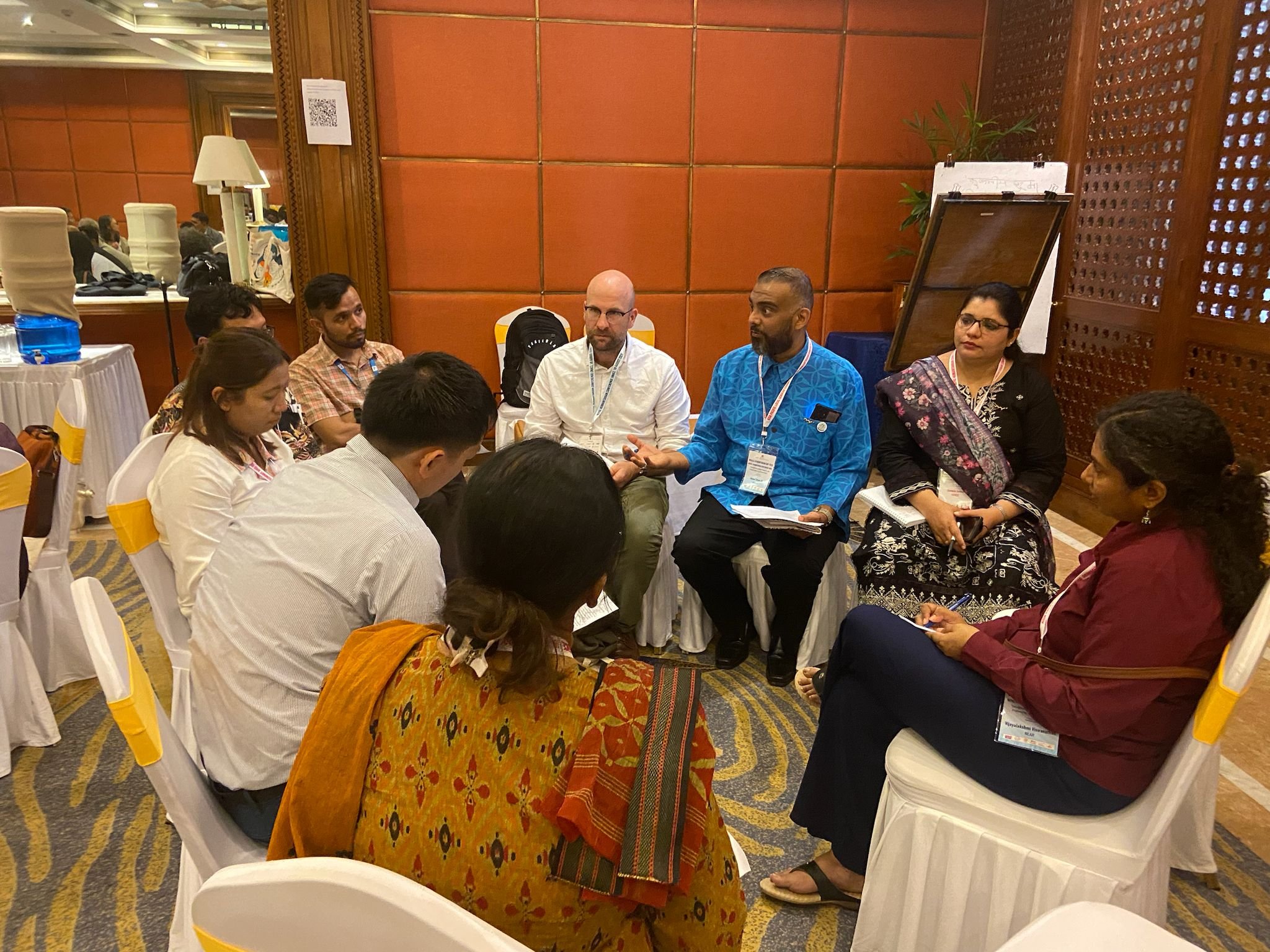
And now on to the many exciting things that NEAR and our members are embarking on. 
 
Until next time, 
Hibak